The Critical Role of Optical Sorting in Premium Coffee Production: A Technical Perspective
In the journey from coffee cherry to finished cup, few steps are as decisive for final quality as optical sorting. As specialty coffee continues to command premium prices and consumers around the world demand ever-greater consistency in every bag they purchase, the technology that powers color sorting has moved from a nice-to-have option to an absolute necessity. This article explores why optical sorting matters for coffee processors of all sizes, how the technology has evolved to meet modern challenges, and what features truly make a difference on the production floor.
Understanding the Coffee Defect Problem
Coffee beans, whether in their green state before roasting or after the roasting process has transformed them into the aromatic brown beans we recognize, present a surprisingly complex sorting challenge. Even within a single harvest batch from a single farm, beans vary significantly in color, density, moisture content, and internal chemical composition. Defective beans are known in the coffee trade as quakers, a term that refers to beans which develop slowly during roasting because they lack sufficient sugar development during the cherry stage on the tree. These beans typically turn pale yellow or tan while the rest of the batch roasts to a uniform brown, and they negatively impact flavor consistency and mouthfeel in the final brew.
The problem, however, extends well beyond quakers. Unripe beans harvested too early, insect-damaged beans where pests have bored into the cherry, beans afflicted by mold or fungal growth during processing or storage, and foreign materials like small stones, sticks, and husk fragments all compromise cup quality and can damage grinding equipment. For specialty coffee producers, where even a handful of defective beans can downgrade an entire shipping container from a premium grade to a commercial grade, precision removal is non-negotiable. The Specialty Coffee Association has established strict grading standards that limit the number of primary defects allowed in specialty-grade green coffee, and optical sorting is increasingly recognized as the most efficient and reliable method to meet these standards consistently.
How Optical Sorting Technology Actually Works
Modern optical sorters operate on a principle of high-speed detection and precisely timed physical removal. Raw material feeds either through a gravity-fed chute system or along a conveyor belt, passing before an array of high-definition cameras and optical sensors. When a defective bean is identified based on its deviation from the established color, size, or shape profile, a precisely timed burst of compressed air from a nozzle ejects that individual bean from the product stream before it can reach the good product output. This entire process happens in milliseconds, with modern machines processing several tons of coffee per hour while maintaining accuracy rates above ninety-nine percent.
The technology has evolved significantly over the past two decades. Early systems relied on basic single-wavelength color detection that could identify gross color differences but struggled with subtle defects. Contemporary machines incorporate full-color RGB sensors, near-infrared spectroscopy, and increasingly artificial intelligence algorithms that can analyze chemical differences invisible to traditional camera-based detection methods. This advancement allows processors to remove not only visible color defects but also hidden internal defects and achieve consistency levels that were previously impossible with manual sorting alone. Hyperspectral imaging, for example, can detect moisture variation and sugar content differences within individual beans, allowing for sorting based on quality attributes that go far beyond surface appearance.
Key Sorting Applications Across the Coffee Supply Chain
Green Bean Sorting for Export and Roasting
Before export from producing countries, the majority of green coffee undergoes optical sorting at processing mills. This primary sorting pass removes discolored beans, stones, sticks, and other foreign material that may have survived earlier density-based separation methods like gravity tables and destoners. Export-grade green coffee must meet specific defect count standards, and optical sorting provides the consistency and throughput required for commercial-scale compliance. For roasters, receiving green coffee that has already been optically sorted means fewer defects to address at the roasting stage and more predictable roast profiles.
Roasted Bean Sorting for Final Quality Assurance
Post-roast sorting is a newer application but has become equally critical for specialty roasters who demand batch uniformity. After roasting, the beans pass through the color sorter again to remove over-roasted and under-roasted beans, ensuring that every package contains beans that have achieved the same roast level. This is particularly important for light and medium roasts where color variation is more visible to the consumer. As demonstrated by leading specialty roasters around the world, post-roast sorting can achieve a reduction in quakers of up to ninety-seven percent, dramatically improving cup consistency.
Industrial-Scale Throughput and Efficiency
For large commercial processors, optical sorting offers efficiency that manual methods cannot possibly match. Automated systems process several tons of coffee per hour with accuracy that no team of human sorters could achieve. This enables quality control at production scale, making specialty-grade consistency economically viable for volume production. The cost savings from reduced labor requirements alone often justify the investment in sorting equipment, even before accounting for the quality improvements that command premium pricing.
The Technical Features That Matter for Coffee Processing
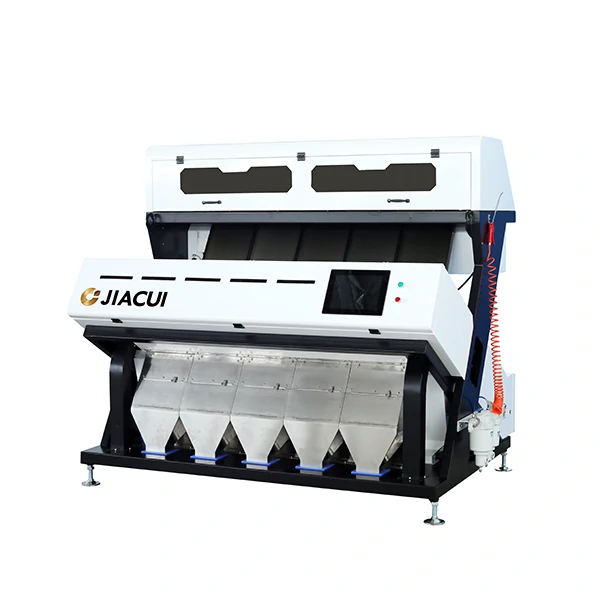
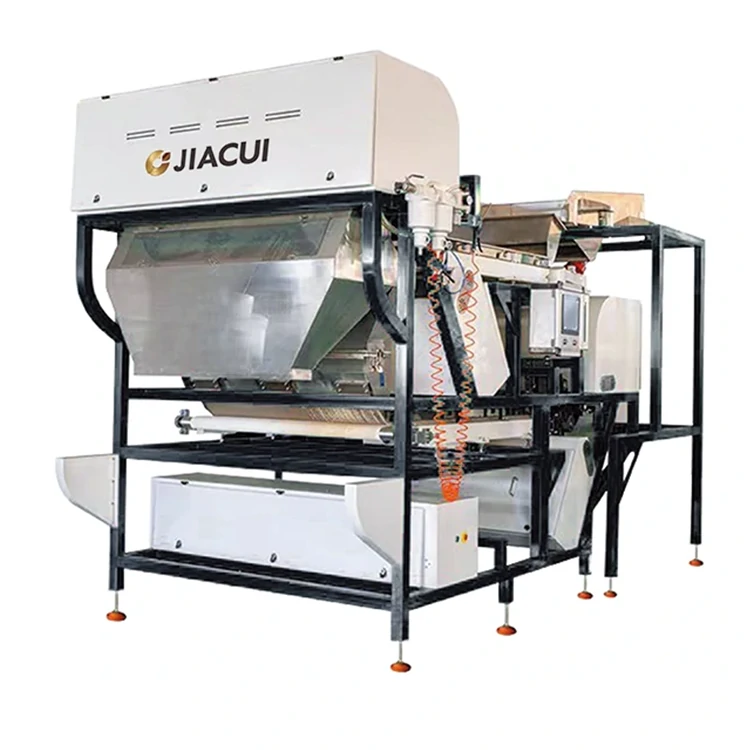
When evaluating optical sorting equipment for coffee applications, several technical features distinguish high-performance systems from basic alternatives. The JIACUI Valuesort series, for example, has been engineered specifically to address the demands of coffee processing through several key design choices.
High-Resolution Imaging for Subtle Defect Detection
The system is equipped with high-definition cameras and full-color sensors that detect subtle color variations critical for identifying quakers and other coffee-specific defects. High-line-frequency sensors ensure accurate detection even at high throughput rates, while the use of multiple cameras provides comprehensive coverage of the product stream from multiple angles. For coffee processors, this means catching defects that cheaper systems would miss.
Automatic Dust Removal for Consistent Performance
Coffee processing generates significant dust, particularly with green beans that carry chaff from the dry milling process. The automatic dust removal device maintains optical clarity on the camera lenses and lighting systems, ensuring consistent sorting performance even in high-dust environments. This feature is essential for practical processing conditions where dust accumulation would otherwise degrade sorting accuracy within hours of operation. Without this capability, frequent cleaning stops would interrupt production and reduce overall efficiency.
Precision Rejection with Low Carry-Out Rate
Low carry-out rate is arguably the most critical metric for coffee processors. When good beans are rejected along with defects, yield suffers and profitability declines. The Valuesort series combines high-speed spray valves with targeted positioning systems to achieve precise defect removal while minimizing good product loss. The ultra-low carry-out rate ensures that coffee producers maximize their usable yield, turning a sorting investment into a direct profit improvement.
Remote Debugging and Support Capability
For coffee processors operating in multiple locations, often in remote producing regions, remote support capability reduces downtime and ensures consistent machine performance without requiring on-site technicians for every issue. The remote debugging function allows factory engineers to diagnose and resolve problems over the internet connection, a feature that has become especially valuable in the post-pandemic operating environment where travel is more restricted and expensive.
Processing Capacity and Versatility
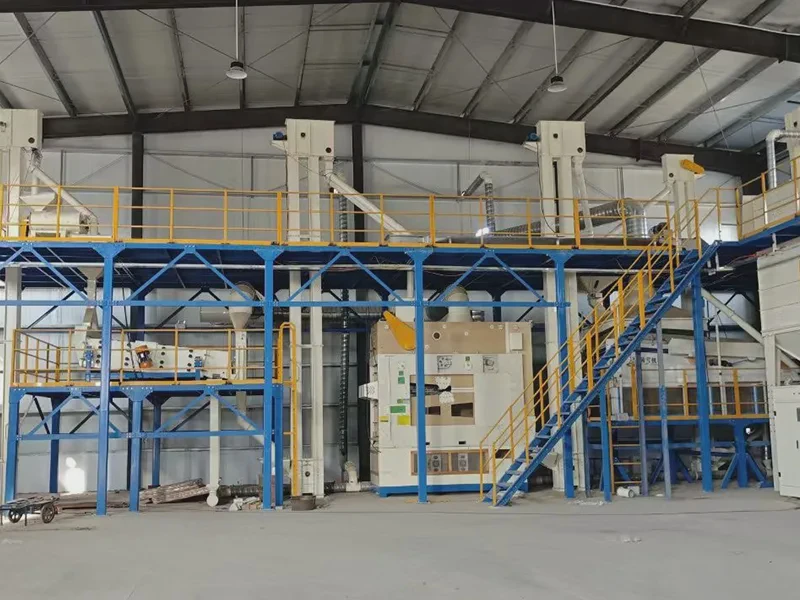
The coffee processing capacity ranges from small-scale applications of approximately one ton per hour up to industrial-scale throughput exceeding ten tons per hour, depending on the model and configuration. This range allows processors to match equipment capacity to their production volume, whether they are a small specialty roaster or a large commercial mill. The chute-type design works particularly well for coffee because the beans flow smoothly through the system with minimal fracturing, preserving bean integrity throughout the sorting process.
Conclusion
Optical sorting has become an essential component of modern coffee processing for producers seeking to meet specialty-grade standards, improve yield efficiency, and protect brand reputation in an increasingly competitive global market. From removing quakers that would compromise cup quality to eliminating foreign material that could damage equipment, the technology enables consistent quality at production scale in a way that manual methods simply cannot match. As consumer expectations for coffee quality continue to rise and the price differential between specialty and commercial grades widens, investment in precision sorting equipment represents not merely a quality decision but a competitive necessity.
For coffee processors evaluating sorting solutions, the key differentiators to examine are imaging precision, dust management, rejection accuracy, processing capacity, and support infrastructure. The JIACUI Valuesort series offers the features that address all of these requirements, providing coffee producers with the capability to achieve specialty-grade standards while maintaining the production efficiency necessary for commercial viability. Whether sorting green coffee for export or finished roasted beans for retail packaging, the right optical sorting system is a foundational investment in quality assurance that pays dividends in every bag of coffee produced.
The Critical Role of Optical Sorting in Premium Coffee Production: A Technical Perspective
Ngày phát hành:2026-08-18 Number of views:1