


How optical color sorters enhance product quality and reduce costs
Release Date:2025-10-21 15:36 Number of views:540
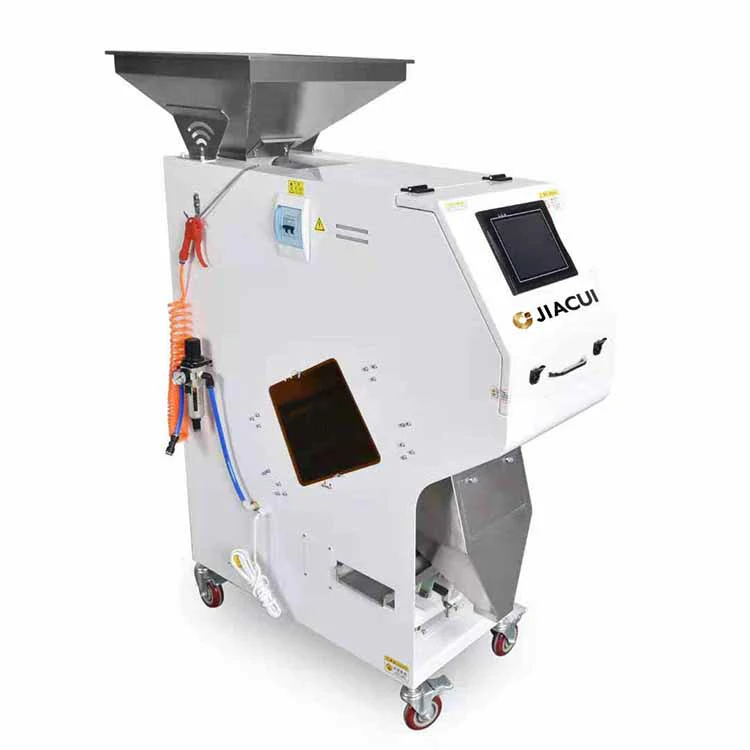
JIACUI optical color sorter is a game-changer for us, boosting both product quality and work efficiency. With these machines, we spot defects fast, cutting waste, and send only top-quality products out the door. We are reducing human error through automation and also allowing us to apply our resources to other critical areas of our businesses by automating the sorting operation. By adopting this technology, we’re better equipped to meet market demands, strengthening our relationship with customers and opening doors to new ones. This strategic decision paves the way for sustainable growth in small to medium enterprises across various sectors.
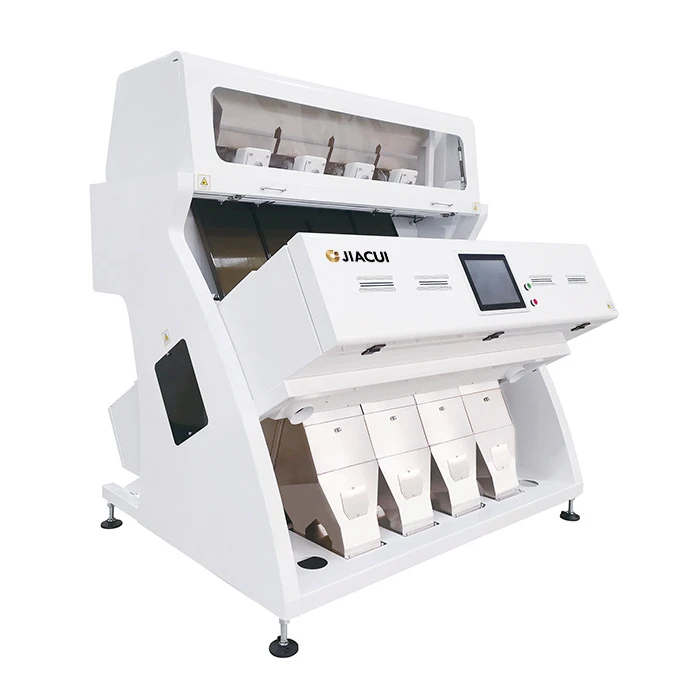
An optical color sorter uses cameras and image processing to inspect bulk materials and separate defective items from good ones. The technology applies across food processing, recycling, and agriculture, where even small amounts of contamination can downgrade an entire shipment or trigger rejection from buyers.
Quality and cost benefits of a color sorter machine
The primary benefit of an optical color sorter is consistent defect removal. Human inspectors tire, lose focus, and miss defects at different rates across shifts. A machine runs at the same accuracy from the first hour to the last, which means lower contamination rates and fewer customer complaints.
On the cost side, a single color sorting machine replaces a team of manual sorters. Labor costs drop, and so does the variability that comes with training and turnover. For operations processing more than a few hundred kilograms per hour, the per-unit sorting cost is typically lower with a machine than with manual labor.
There is a secondary cost benefit as well: less waste. Manual sorting inevitably ejects some good product along with the bad. A well-calibrated optical sorter keeps the false-reject rate lower, which matters when margins are tight.
How optical color sorting works across industries
Rice and grain milling
In rice mills, optical sorters remove discolored kernels, glass fragments, and stones mixed in during harvest. Near-infrared (NIR) cameras add the ability to detect foreign materials like plastic bits that look similar in color to rice. For exporters, this level of sorting is often a contractual requirement — buyers in Southeast Asia and the Middle East routinely inspect shipments for purity grades.
Coffee processing
Coffee beans present a different challenge: the defects that matter are often internal. Mold, hollow hearts, and insect damage can be invisible on the surface. Multi-spectral sorters that combine visible-light CCD cameras with NIR sensors can identify these internal defects before roasting. The result is fewer mycotoxin risks and more consistent cupping scores.
Plastic recycling
Recycling facilities use optical sorters to separate plastic flakes or pellets by resin type — PET from HDPE, for example — based on how each material reflects light at different wavelengths. Without optical sorting, recyclers rely on manual separation or water-density methods, both of which are slower and less accurate.
Seed and nut processing
Seed companies use optical sorters to remove off-color seeds, chaff, and weed seeds from bulk lots. In premium seed markets, purity standards are strict — even small amounts of contamination can disqualify a seed lot from certification.
For more on how specific materials are handled, see the [JC Sorter product category](/category) and [sorting application archive](/archive).
CCD vs. infrared: what each camera type detects
Most optical color sorters use one of two camera systems, and some use both:
CCD (charge-coupled device) cameras capture full-color images and detect surface defects — discoloration, spots, size anomalies, and foreign materials that differ visually from the target product.
NIR (near-infrared) cameras detect differences in material composition. They see through surface color to identify plastics of different resin types, internal mold in coffee beans, or moisture content variations in grains.
For most food-processing applications, a dual-system sorter with both CCD and NIR provides the broadest defect coverage.
Frequently asked questions about optical color sorters
What materials can an optical color sorter process?
Common materials include rice, wheat, coffee beans, tea, peanuts, sunflower seeds, plastic pellets and flakes, glass cullet, and mineral ores. The sorting parameters (color thresholds, camera type, ejection pressure) are adjusted for each material.
How does an optical color sorter differ from manual sorting?
Manual sorting depends on workers inspecting items visually on conveyor belts or tables. Speed is limited by human perception — typically a few hundred items per minute per worker. An optical color sorter machine scans thousands of items per second with consistent accuracy, and it does not slow down or miss defects due to fatigue. The tradeoff is upfront equipment cost and the need for proper calibration.
What is the difference between CCD and infrared sorting?
CCD cameras detect visible surface differences — color, shape, and size. Infrared cameras detect differences in material composition that are invisible to the human eye. In practice, CCD handles color-based sorting (removing discolored rice kernels, for example), while NIR handles composition-based sorting (separating PET from HDPE plastic, or detecting hidden mold in coffee beans).