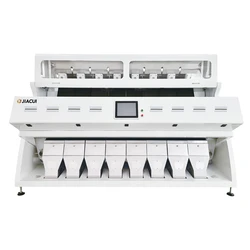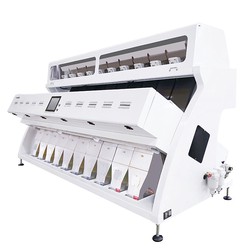



From the farm to the roaster, sorting is the step that separates a premium cup from a disappointing one. A coffee color sorter machine does the work that visual inspection can't keep up with at production volume.
Here's how the process actually works.
Stage 1: Optical inspection — what the camera actually sees
Vibratory feeding
The coffee color sorting machine uses an electromagnetic feeder to distribute beans evenly across the conveyor belt. Even feed matters because the CCD camera needs full exposure to each bean — clumps and gaps cause misses.
Multispectral scanning
The detection system combines Near Infrared (NIR) and visible-light spectrum scanning. Running both together lets the sorter identify defects that visible light alone can't distinguish:
Uneven roasting — beans that look acceptable under standard light but carry roast inconsistencies detectable in the NIR band
Moldy beans — early-stage mold that hasn't fully discolored on the surface
Foreign materials — stones, fiber, and processing debris mixed into the bean stream
Why dual-band scanning changes what's catchable
Standard single-spectrum sorters read surface color. NIR reads material properties. The combination is what makes it possible to separate a chemically treated bean from a naturally green one — something relevant for processors exporting to markets with strict food safety standards.
Stage 2: Ejection — what happens in under 0.003 seconds
When the camera detects a defective bean, the system triggers the corresponding pneumatic ejector. With 128 ejector nozzles distributed across the sorting width, the machine calculates each bean's trajectory and fires the air pulse timed to intercept the defect at the rejection channel. Premium beans pass through uninterrupted.
The timing tolerance on ejection is tight. At 600 beans per second feed rate, there isn't a meaningful margin for late triggers — which is why machine maintenance (clean optics, dry compressed air, regular recalibration) has a direct effect on sorting accuracy.
Stage 3: Quality verification
After primary sorting, a verification layer runs before output reaches packaging:
Output weight monitoring flags sudden drops in yield that suggest feed irregularities or ejector issues
A secondary re-sort pass catches borderline cases that the first pass flagged as borderline rather than certain rejects
The system logs sortation data in formats compatible with MES (Manufacturing Execution System) for facilities that track production output digitally
How a coffee sorting machine changes the economics of processing
The comparison that matters for most processors isn't precision versus imprecision — it's throughput per hour and defect rate at output.
Metric | Manual sorting | Coffee color sorter machine |
|---|---|---|
Processing speed | ~5 kg/h per operator | 1,000–2,000 kg/h |
Defect types detected | 3–5 (visual only) | 20+ (color, shape, material) |
Cost per ton | Varies by labor market | Significantly lower at scale |
The specific numbers on labor reduction and defect rate improvement depend on baseline conditions — your incoming bean quality, local labor costs, and what export standard you're sorting to. Processors exporting to European or Japanese buyers, where defect tolerances are under one percent, typically see the clearest ROI case.