Обновлено июль 2026 года · Данные от отчетов о рынке, финансовых заявлений и запусков продуктов до II квартала 2026 года
Рынок сортировщиков цветов был worth около USD 168,75 миллионов в 2025 году и должен достигнуть USD 250,99 миллионов к 2032 году (PMarketResearch, 2026). Это составляет 5,85% CAGR — ничего взрывоопасного, но стабильного. Увеличьте масштаб до более широкого рынка многофункциональных сортировщиков машин, и цифры становятся больше: USD 3,42 миллиарда в 2025 году, движущиеся к USD 8,06 миллиардов к 2036 году (Meridian Consensus, 2026).
Около 42% спроса приходится на Азиатско-Тихоокеанский регион. Европа занимает 28–31%, Северная Америка 19–21%. Ландшафт поставщиков двустепенчатый: западные бренды (Bühler, TOMRA, Satake, Key Technology) соревнуются в премиальной оптике и сервисных контрактах;Китайские производители (Meyer, AMD, ANYSORT, TAIHO, Jiacui) соревнуются в ценовой политике и функциях ИИ. И обе стороны правы, для разных покупателей.
Здесь представлены десять производителей, которые имеют значение в 2026 году, ранжированные по присутствию на рынке, недавним шагам и тому, что они на самом деле отправляют.
1. Группа Bühler (Швейцария)
Доля рынка:около 16% (Meridian Consensus, 2025) ·Установленная база:28,000+ систем сортировки в 140+ странах (GlobalMarketStatistics, 2026)
Bühлер, из Узвиль, Швейцария, имеет самую большую часть премиального сегмента сортировщиков. Линия SORTEX A предлагается в четырех конфигурациях: базовый SORTEX A, SORTEX A DualVision, SORTEX A ColorVision с InGaAs и SORTEX A MultiVision. Эти машины обрабатывают зерно, бобовые, семена, кофе, орехи и пластмассы до 40 т/ч. Диапазон SORTEX B достигает семи модулей желобов, достигая максимума 42 т/ч.
SmartEject обрабатывает точную эjection. PROsize производит оценку размеров. Система автоматической калибровки запускает машинное обучение и хранит 100 пользовательских режимов сортировки. SORTEX F Polarvision — это вариант замороженных фруктов и овощей — имеет сертифицированный FDA гигиеничный дизайн и 384 независимых распылителя. Всё, что отправляет Bühler, соответствует стандарту ATEX для опасных сред. Если вы управляете крупномасштабным предприятием по переработке зерна с стабильным бюджетом на капитальные затраты, это обычно где начинается разговор.
2. TOMRA Systems ASA (Норвегия)
Доля рынка:около 18–24% в зависимости от того,哪个报告你阅读 (GlobalMarketStatistics, 2026) ·Доход:EUR 1,318 миллионов в 2025 ·Установленная база:около 119,900 установок
TOMRA (OSE: TOM) управляет тремя division: Collection, Recycling и Food. Единственная Food division собрала 79 миллионов евро в первом квартале 2026 года, увеличившись на 13% в годовом исчислении, с заказным списком в 80 миллионов евро. На Fruit Logistica 2026 они показали TOMRA 5S Blueberry сортировщик, работающий на их платформе LUCAI AI. Это машина, построенная для одного растения — малины, что tells you something about where the high-margin sorting business is heading.
Сторона переработки, TOMRA выпустила систему сортировки FINDER для металлов и электронного мусора в сентябре 2025 года. Компания имеет более 45 000 систем сортировки, установленных на предприятиях по производству продуктов питания и переработке. 5 800 сотрудников. Компания также реализует программу по сокращению затрат в размере 16 миллионов евро в области переработки, цель которой - обеспечить маржу EBITA более 20% к 2027 году. Бизнес по обслуживанию контрактов - это их истинный бастион - замена деталей и обслуживание на рынках, где время безотказной работы напрямую влияет на доход.
3. Корпорация Satake (Япония)
Основана:1896 ·Головной офис:Хиросима, Япония ·Доля рынка:около 13% (Консенсус Меридиан, 2025)
Сатаke объявила о глобальном запуске своего модульного оптического сортера SLASH (серия VQS) 8 апреля 2026 года после внутреннего запуска в Японии. Цветные CCD-камеры плюс детекция многоволнового инфракрасного излучения NIR и SWIR. У него есть функция сортировки по форме и эксклюзивное программное обеспечение "Satake Smart Sensitivity", которое автоматически генерирует калибровочные кривые — нет необходимости в ручной настройке.
Вы можете купить его в одном, двух или трёх модульных конфигурациях. Высота машины компактная, 1,450 мм, и вы можете добавить модули позже на месте, вместо покупки большего станка. Старые линии Satake — FCSM, SSM, ECS — все они конвейерные сортировщики с цветными камерами CCD с разрешением 2,048 пикселей и минимальным обнаружением дефектов 0,16 мм. Они показали SLASH на Agritechnica 2025 в Ганновере. Более чем век в машинном оборудовании для зерна, и они все еще работают над решением основной проблемы сортировки риса.
4. Meyer Optoelectronic (Китай)
Код акций:SZSE 002690 ·Выручка 2024 года:2,31 миллиард юаней ·Доход от сортировщиков цветов:1,62 миллиарда юаней (2024, +9,87% ВВП) ·Экспорт:100+ стран
Гуанфэньская компания Meyer Optoelectronic запустила сортировщик цветов MASTER 4.0 в сентябре 2024 года. Ее международный дебют состоялся на открытии Meyer Vietnam Co., Ltd. 28 сентября 2024 года — дочерней компании, которая делает первые шаги на одном из крупнейших рынков обработки риса и кешью в мире. MASTER 4.0 выполняет автоматическую настройку линии, обратную связь в реальном времени, сигналы тревоги при аномалиях и удаленную отладку. Он основан на полнофункциональной цифровой системе обработки риса Meyer.
Отчёт за 2025 год компании Meyer оценивает доход от цветных сортировщиков в 16,2 миллиарда юаней, с валовой маржой 49,64%, увеличенной на 1,1 процентных пункта по сравнению с предыдущим годом. Они продают сортировщики для риса, грубых злаков, чая, орехов, фруктов, овощей, традиционной китайской медицины и морепродуктов. Это компания, которая создала первый цветной сортировщик в Китае в 1994 году и начала экспортировать в 2004 году. Вьетнамское филиал отмечает 20 лет международной деятельности. Они также производят оборудование для рентгеновского обнаружения и стоматологические CBCT сканеры - странный, но прибыльный sideline.
5. Anhui Zhongke Optic-Electronic / AMD (Китай)
Основана:2002 ·Установленная база:30 000+ машин в 100+ странах ·Доля на внутреннем рынке:30%+ ·Новая установка:USD 25,7 миллионов промышленная база (2025)
AMD завершен структурированный topping-out его Многофункциональной индустриальной и инновационной базы 8 декабря 2025 года. Площадь 8,300 м², площадь 40,320 м². Новый объект присоединяется к существующей базе сборки и производственной базе AMD, образуя сеть из трех производственных объектов. Они могут производить более 1,500 умных цветных сортировщиков в год.
Две основные группы продуктов: серия RG+ сортировщики цвета риса NIR (видимые + инфракрасные) и серия сортировщиков полимеров NIR для переработки пластика. В 2025 году AMD участвовала в выставках в Вьетнаме, Мексике, Японии, Кении, Таиланде и Эфиопии. Они также объявили о CHINAPLAS 2026. В 2015 году AMD стала частью Группы Hefei Hefeng Intelligent, что дало ей доступ к уровням дистрибуции и капитала группы.
6. Аньхой Джэксун / ANYSORT (Китай)
Основана:2006 ·Оцененный доход 2025:1,3 миллиарда юаней ·Зарубежные заказы:40% от общей ·Рынки экспорта:95 стран
Анхуи Джиехун (брэнд: ANYSORT) имеет три тяжелых сертификации: Национальный центр технологического развития предприятий, Национальная "Специализированная малая гигантская компания" и Национальная демонстрационная компания по технологическому инновациям. Это не маркетинговый мусор — это государственные аудиторские обозначения в Китае. Их облачная система сортировки была оценена как "ведущая в международном масштабе" Китайской ассоциацией зерно и масел в 2024 году. "Cloud Control Super Intelligent Agent" 2025 года получил особую премию за инновации в технологии.
На IRID EXPO 2026, ANYSORT показал AI суперагента, который обрабатывает полную линию сортировки от приема сырья до готовой продукции, работающий на AI-визуализации и глубоком обучении. Данные таможни через Q1 2026 показывают активные отправки в Индию, Перу и Филиппины. В обращении находятся модели EC5, EC8, SC3PLUS, SF8PRO и VM564. Они установили зарубежные филиалы и считают COFCO Group и Nestlé своими партнерами. Factory is 96,000 m² в Hefei. Они отправили 5.5% глобальных единиц цветных сортировщиков в 2025 году (Meridian Consensus), с ценами примерно на 45% ниже, чем у Bühler по сравнимым спецификациям.
7. Хефей Тайхэ / TAIHO (Китай)
Основана:2004 ·Код акций:SSE 603656 ·Экспорт:100+ стран
TAIHO продает оборудование для искусственного интеллекта в области зрения по шести продуктам: сельскохозяйственное сортировка, сортировка фруктов и овощей, сортировка минералов, сортировка переработанных ресурсов, рентгеновский контроль, и интеллектуальная упаковка. Их линия переработки где и начинается интересное. Полимерные сортировщики с инфракрасным из InGaAs для классификации пластиковых материалов. Машины серии UV, которые разделяют флуоресцентные и стареющие пленки. Сортировщики рентгеновского излучения для огнестойких пластиков с изображением в 350 мегапикселей.
Под капотом: архитектура SOC, комбинированное multispectral изображение (сочетание рентгеновского, видимого и инфракрасного света), вычисления по границе на GPU и FPGA, и обучение с передаче, которое запускает новые модели сортировки из малых наборов образцов. Их "Интеллектуальное удаление золы 3.0" очищает в реальном времени и автоматически определяет плотность пыли. Сертифицировано по ISO 9001 и ISO 14001. Соответствует стандарту CE. Если вы обрабатываете смешанные потоки отходов с множеством типов полимеров, TAIHO имеет один из более полных наборов аппаратного обеспечения для этой задачи.
8. Технология ключа / Duravant (США)
Предок:Решения для сортировки и обработки продуктов питания Duravant ·Доля рынка:примерно 8% (Консенсус Меридиан, 2025)
Key Technology, часть Duravant, запустила семейство оптических сортировщиков COMPASS в два этапа: с флотацией через желоб в 2023 году и с ленточным питанием в 2024 году. Система обнаружения использует собственную технологию Pixel Fusion — комбинация видимых и инфракрасных данных на уровне пикселей, а не просто lado a lado. Она generates до eight каналов мультиспектральных данных сенсора. Двигатель сортировки NEXT собирает пластик, стекло, бумагу, дерево и органическую / неорганическую постороннюю материю. Не требуется лазер или гиперсpectral сенсоры для большинства приложений.
Группа сортировки продуктов Duravant включает два других бренда, которые стоит знать. Компания WECO запустила 360Tek для голубики: роликовое 360-градусное изображение, алгоритмы машинного обучения, 3,600 кг в час. Multiscan имеет S60SP для орехов арахиса с SpinSort. Система COMPASS компании Key Technology работает по рецептам — переход менее чем за 15 минут, обучение оператора менее чем за 30 минут. Это важно больше, чем сами спецификации;линия сортировки, которая требует половины смены для перехода между продуктами, является узким местом, а не активом.
9. Cimbria / Корпорация AGCO (Дания/США)
Предок:AGCO Corporation (NYSE: AGCO) ·Головной офис:Эсбьерг, Дания
Cimbria с 2020 года является частью AGCO. Её основным продуктом является оптический сортировщик SEA.TiVision для обработки зерна, семян и бобовых культур. Камеры с высоким разрешением RGB и датчики ближней инфракрасной спектральной области InGaAs. Система выявляет дефекты цвета, посторонние материалы и недозрелость семян — три проблемы, которые напрямую влияют на скорость прорастания и коммерческое качество. Cimbria интегрирует сортировку в полные линии обработки и переработки зерна, используя распределение AGCO в более чем 140 странах.
Они также производят оборудование для сортировки и взвешивания с маркой Newtec, приобретенное в 2021 году. Бизнес по сортировке Cimbria уже narrower, чем у TOMRA или Bühler — они не занимаются переработкой или добычей полезных ископаемых — но такая направленность имеет смысл. Обработчики семян нуждаются в сортировке, настроенной под specs прорастания, а не для удаления дефектов общего назначения. Оборудование Cimbria используется по всей Европе, Северной Америке и некоторых частях Африки и Ближнего Востока.
10. Jiacui Machinery (Китай)
Опыт:20+ лет ·Головной офис:Zhengzhou, Китай ·Базы производства:Zhengzhou и Хефей ·Завод:38,000 м² ·Патенты:21+
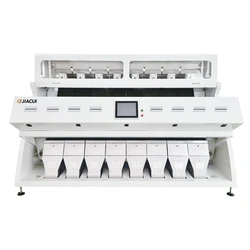
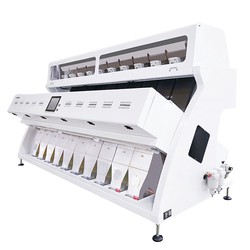
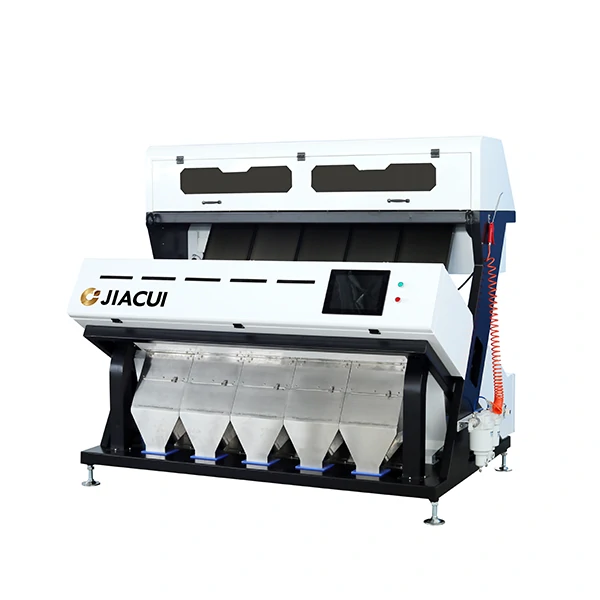
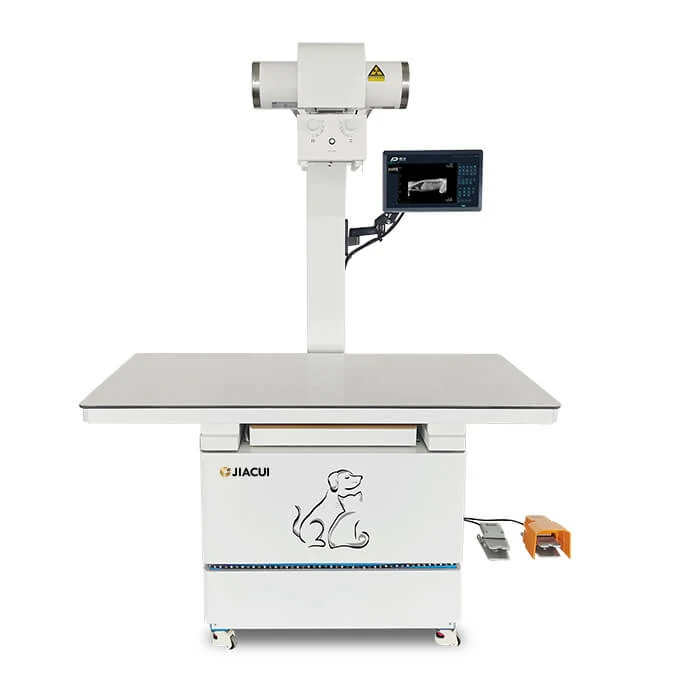
ООО "Zhengzhou Jiacui Machinery Equipment" (брэнд: JIACUI) изготавливает цветные сортировщики на трех платформах: шлюзового типа, ленточного типа и рентгеновского типа. Линия сортировщиков риса шлюзового типа работает на 12 моделях, начиная с CS-2C160 (160 каналов, 1–2 т/ч) и заканчивая CS-12C (768 каналов, 8–12 т/ч, точность ≥99.99%, коэффициент переноса лучше 120:1). Все модели используют детекцию спектра RGB в паре с искусственным интеллектом глубокого обучения и認識形状. Для малых партий кофейных processors, есть CS-QB16 mini sorter кофейных зерен — высоко разрешающая детекция дефектов в компактной footprint.
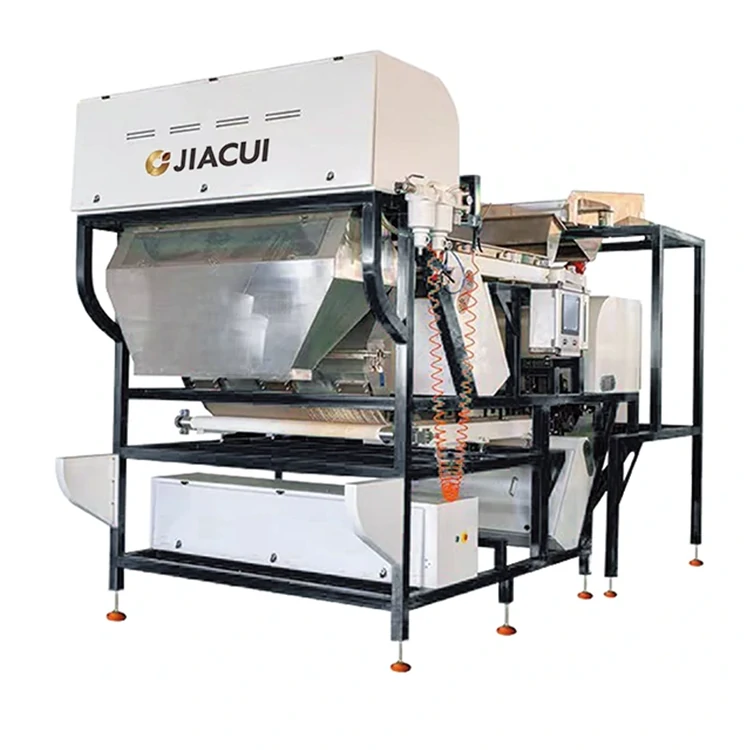
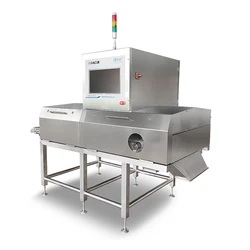
На ленточном участке, серия CS-LA (LA600, LA1200, LA1200D) обрабатывает переработанные пластиковые фракции в диапазоне 5–50 мм, 2,5 до 6 т/ч, с той же ≥99,99% точностью сортировки. Рентгеновские сортировщикиcover обнаружение посторонних материалов. Компания также производит центробежное оборудование для химической, фармацевтической, гидрометаллургической и литийной экстракции — отдельная производственная линия, которая не имеет ничего общего с сортировкой, но suggests a diversified manufacturing base. International sales run throughjcsorter.com, с профилем LinkedIn под JIACUI Color Sorter и списками продуктов на TradeWheel.
Структура рынка и конкурентные динамки
"Значительно фрагментированный, а не доминируемый одним поставщиком", так описывает рынок сортировщиков цветов PMarketResearch (2026). Объединенная доля рынка ведущих западных производителей — TOMRA, Bühler, Satake — составляла примерно 47% в конце 2025 года, снизившись с 51% в IV квартале 2023 года (Консенсус Meridian). Китайские участники начали поставлять гиперсpectral устройства по大约 половине европейской цены, и вымывание доли произошло быстро.
Открытый вопрос о том, насколько это продвинется. Если стоимость гиперспектральных сенсоров упадет еще на 40% - это возможно, если ON Semiconductor или Sony войдут на рынок CMOS-сенсоров - разрыв в производительности между европейскими и китайскими машинами сократится, и цена станет единственной переменной. Но сервисные контракты TOMRA являются реальной засаде на рынках, где стоимость заменяемых частей высока. За пределами продуктов питания и фармации уровень подключения услуг падает, и китайское ценовое преимущество усиливается.
Два числа из Консенсуса Меридиана: Anhui Jiexun отслеживал 12 установки в Бразилии и Аргентине во втором квартале 2025 года по ценам на 45% ниже, чем у Bühler. И ни один из западных моделей аналитиков еще не улавливает это смещение.
Производитель | Страна | Ключевое действие 2025–2026 | Основные рынки |
|---|---|---|---|
Группа Bühler | Швейцария | SORTEX B 7-модуль при 42 т/ч | Зерновые, кофе, орехи, пластмассы |
TOMRA Systems | Норвегия | TOMRA 5S Blueberry + LUCAI AI | Пищевая промышленность, переработка, горнодобывающая промышленность |
Satake Corporation | Япония | Глобальный запуск SLASH VQS (апр. 2026 г.) | Рис, зерно, чай |
Meyer Optoelectronic | Китай | MASTER 4.0 + дочерняя компания Вьетнама | Рис, орехи, чай, еда |
AMD (Аnhui Zhongke) | Китай | USD 25.7M новая промышленная база | Рис, чай, пластмассы, минералы |
ANYSORT (Anhui Jiexun) | Китай | AI Super Agent на IRID Expo 2026 | Зерна, чай, кофе |
ТАЙХО (Гефей Тайхэ) | Китай | Рентгеновский сортировщик пластмасс, 350MP изображение | Минералы, пластмассы, пища |
Key Technology / Duravant | США | COMPASS ленточный + Pixel Fusion | Овощи, фрукты, орехи, IQF |
Cimbria / AGCO | Дания/США | SEA.TiVision + дистрибуция AGCO | Семена, зерно, бобовые |
Машины Jiacui | Китай | CS-12C 768ch + пневмоприводной пластиковый сортировщик | Рис, кофе, орехи, пластмассы, минералы |
Что изменится в 2026 году
AI ушел из облаков.С середины 2024 года inference AI работает на устройстве в цветных сортировщиках. Частота кадров удвоилась без повышения цен (Консенсус Меридиан, 2026 год). Глубокое обучение теперь установлено в около 60% новых машин, улучшая классификацию материалов с множеством компонентов на 35% по сравнению с традиционными системами (GlobalMarketStatistics, 2026 год). Покупатели в основном заботятся о времени работы и производительности, а не о структуре нейронных сетей — но улучшения производительности реальны.
Гиперспектральные по китайским ценам.Китайские производители начали поставлять гиперспектральные устройства примерно за половину европейской цены в конце 2023 года. Само по себе это уменьшило совокупную долю рынка топовых трех западных OEM на 4 процента. Если стоимость сенсоров снизится еще на 40%, разрыв полностью исчезнет. В этот момент цена определяет, кто победит.
Переработка стимулирует заказы.Записи о европейских мерах по упаковке привели к увеличению заказов на 340 единиц для сортировщиков для переработки в II полугодии 2025 года. Эффективность сортировки пластиков выше 90% теперь составляет 32% от всех установок. EnforcementExtended Producer Responsibility Enforcement预计将在2027 году расшириться — следующий этап спроса даже еще не достиг еще.
Объем китайского экспорта реальный.Анхуи Джексун отгрузил 5,5% всех единиц в 2025 году. Установки в Бразилии и Аргентине на 45% дешевле цен Bühler. Юго-Восточная Азия и Латинская Америка — приоритетные рынки — чувствительные к ценам регионы, где точность обнаружения дефектов не является узким местом.
Как выбрать производителя
Зависит полностью от вашего приложения и бюджета. Вот как выглядят варианты:
Масштабное производство зерна с жесткими стандартами качества:Bühлер СОРТЭКС или Сатакэ ШЛИФ. Наивысший ток (макс. 42 т/ч), сенсоры InGaAs, множественная детекция длин волн. Если вы можете позволить себе капитальные затраты и нуждаетесь в стабильности, это короткий список.
Recycling and mining:Tомра Файnder для металлов и электронного лома. Тайхо для смешанных потоков пластиков с множеством типов полимеров — их полимерные, УФ и рентгеновские сепараторы спроектированы для переработки отходов.
Средний сельскохозяйственный сортировка:Meyer MASTER 4.0 или AMD RG+. Конкурентоспособные цены, функции AI, сильная поддержка на развивающихся рынках. Meyer имеет优势, имея дочернюю компанию в Вьетнаме для покупателей из Юго-Восточной Азии.
Специальные культуры:Key Technology COMPASS для овощей и IQF. WECO 360Tek для смородины. Multiscan S60SP для фисташек. Это машины для специфических приложений — покупайте то, что соответствует культуре, которую вы обрабатываете.
Многослойные процессоры:Японская компания Jiacui производит конвейерные, ленточные и рентгеновские платформы для обработки риса, кофе, орехов, минералов и переработанных пластиков от одного поставщика. Полезно, если вы обрабатываете различные материалы и хотите один договор поставки вместо трех.
Покупатели, ориентирующиеся на цену, на развивающихся рынках:ANYSORT и Jiacui. 40–50% дешевле западных ценовых пунктов. Активные каналы экспорта в Южной Азии, Латинской Америке и Африке. Линейка риса Jiacui из 12 моделей охватывает все, от мини-кофейных лабораторий до полных рисовых мукомольных фабрик.
Источники
1. PMarketResearch, "Global Color Sorter Market 2026," 2026.
2. Meridian Consensus, "Многофункциональный сортировщик цветных машин рынка," 2026.
3. GlobalMarketStatistics, "Размер, доля, рост рынка сортировщиков цветных машин," 2026.
4. TOMРА Системы ASA, отчет о промежуточном периоде Q1 2026, апрель 2026.
5. Корпорация Satake, "Мировой запуск модульного оптического сортера серии SLASH," 8 апреля 2026 года.
6. Hефей Мейер Оптико-Электронная Технология Inc., 2025 годовой отчет (SZSE: 002690).
7. Аньхой Zhongke Оптико-Электронная, "Церемония торжественного открытия нового индустриального парка," 8 декабря 2025 года.
8. Группа Bühler, техническая документация по линейкам SORTEX A и B, 2025–2026.
9. Технология Key / Duravant, релизы продуктов оптического сортера COMPASS, 2023–2024.
10. Анхуи Цзясун Оптико-электронная, 2026 IRID EXPO данные выставки и таможенной экспортной документации.
11. Жэньчжоу Яц葵 Машинериально-техническая Компания, Ltd., описание компании и спецификации продуктов (jcsorter.com,jcsorter.cn), 2025–2026.