Clasificador Óptico de Legumbres y Granos: Guía de Selección y Tecnología
En la industria agrícola y del procesamiento de alimentos, la pureza y la eficiencia operativa determinan la rentabilidad del negocio. Los clasificadores ópticos de legumbres y granos (o clasificadores por color) han revolucionado el procesamiento postcosecha, permitiendo separar productos de alta calidad mientras se minimizan las mermas.
Principio de Funcionamiento: Detección y Selección
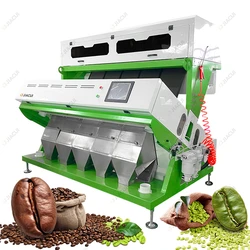
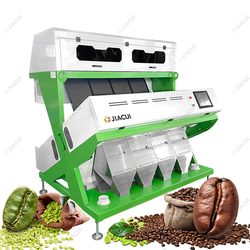
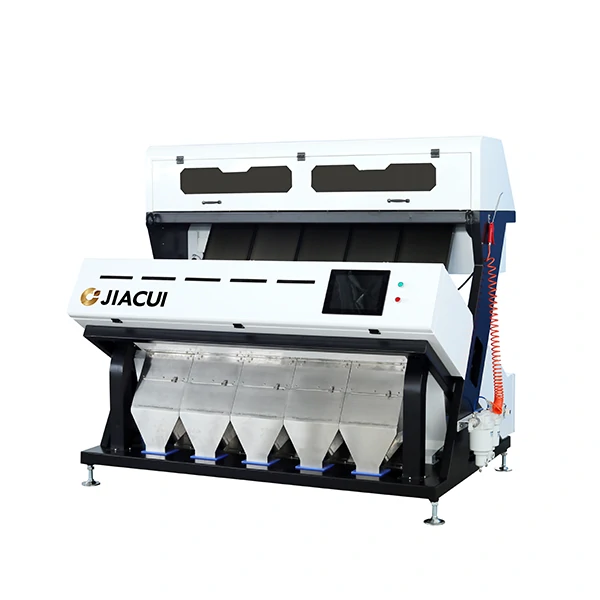
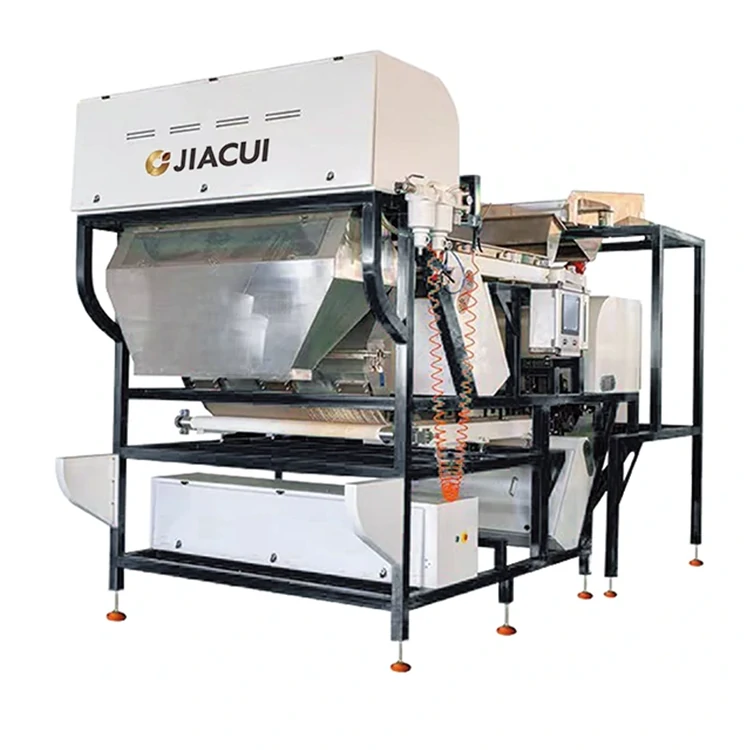
Un clasificador óptico es un equipo automatizado de alta tecnología que procesa granos, legumbres (frijoles, lentejas, garbanzos, arvejas) y semillas mediante cuatro etapas continuas:
Alimentación y Dispersión: El producto se deposita en la tolva y se distribuye homogéneamente a través de canales o rampas vibratorias (chutes).
Inspección Óptica 360°: A medida que los granos caen en flujo libre, cámaras CCD de alta resolución y sensores multiespectrales analizan el color, forma y estructura de cada pieza.
Procesamiento de Datos en Tiempo Real: Algoritmos de Inteligencia Artificial (IA) comparan cada grano contra los patrones de calidad preestablecidos.
Eyección por Aire Comprimido: Boquillas neumáticas ultra rápidas activan chorros de aire comprimido de alta precisión para expulsar fuera de la línea principal únicamente los elementos defectuosos.
Defectos e Impurezas Eliminados
El sistema garantiza una tasa de pureza superior al 99.5% mediante la eliminación de:
Desviaciones de Color: Granos manchados, amarillentos, mohosos, picados o vanos.
Deformaciones Físicas: Cristales o semillas partidas, quebradas o fuera de calibre.
Cuerpos Extraños (Materias Extrañas): Piedras, terrones, fragmentos de vidrio, plásticos, tallos e insectos.
Ventajas Clave para la Industria Agrícola
┌───────────────────────────────────────────────────────────────────────────┐
│                     BENEFICIOS DE LA AUTOMATIZACIÓN                       │
├───────────────────┬─────────────────────────────┬─────────────────────────┤
│    CALIDAD CERO   │    REDUCCIÓN DE COSTOS      │  VALOR DE EXPORTACIÓN   │
│     DEFECTOS      │        OPERATIVOS           │        Y PRECIO         │
│  Estandarización  │  Menor dependencia de mano  │ Acceso a mercados       │
│  e inocuidad.     │  de obra y menor merma.     │ internacionales (NMF).  │
└───────────────────┴─────────────────────────────┴─────────────────────────┘
Maximización de la Calidad en Taza y Lote: Protege la reputación de la marca entregando un producto homogéneo y visualmente impecable.
Mayor Rendimiento y Eficiencia (THROUGHPUT): Capacidad para procesar desde 1 hasta más de 12 toneladas por hora de forma continua (24/7), erradicando los cuellos de botella.
Reducción de Mermas y Sostenibilidad: La precisión de las boquillas reduce la pérdida de grano bueno (good in bad ratio), minimizando el desperdicio.
Guía de Criterios de Selección para Compradores
Al evaluar la compra de un clasificador por color, considere los siguientes factores de ingeniería y comercialización:
Compatibilidad de Producto: Verifique si el equipo maneja rampas planas (para granos grandes) o rampas aflechadas/ranuradas (para semillas pequeñas como lentejas o sésamo).
Tecnología de Sensores: Asegúrese de contar con tecnología InGaAs (NIR) si requiere detectar plásticos transparentes o despojos del mismo color que el grano.
Capacidad Requerida (Toneladas/Hora): Ajuste el número de canales (chutes) de la máquina según las toneladas diarias de su planta.
Soporte Técnico y Confiabilidad del Fabricante: Priorice proveedores que ofrezcan servicio postventa, disponibilidad de repuestos (válvulas/cámaras) y capacitación operativa.
Preguntas Frecuentes (FAQ)
¿Qué diferencia a un clasificador por color tradicional de uno con Inteligencia Artificial (IA)?
Los sistemas tradicionales se basan únicamente en umbrales de color programados manualmente. Los clasificadores modernos con IA y Deep Learning aprenden a reconocer imperfecciones complejas combinando patrones de forma, textura y color, adaptándose automáticamente a variaciones naturales de la cosecha.
¿Puede una misma máquina clasificar diferentes tipos de granos o legumbres?
Sí. Las máquinas modernas permiten guardar "recetas" o perfiles de configuración en su interfaz de pantalla táctil. El operador puede cambiar de la selección de frijol a lenteja o sésamo en cuestión de minutos ajustando los parámetros ópticos.
¿Cómo ayuda un clasificador óptico a las empresas exportadoras?
Permite cumplir de manera estricta con las normas internacionales de calidad para alimentos (ISO, HACCP, FDA), asegurando que los embarques no sean rechazados en las aduanas de destino por presencia de materias extrañas o contaminación.