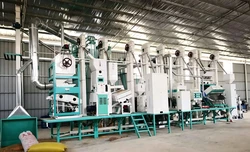


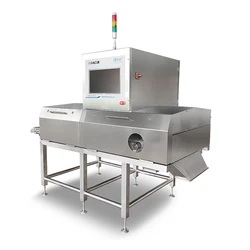

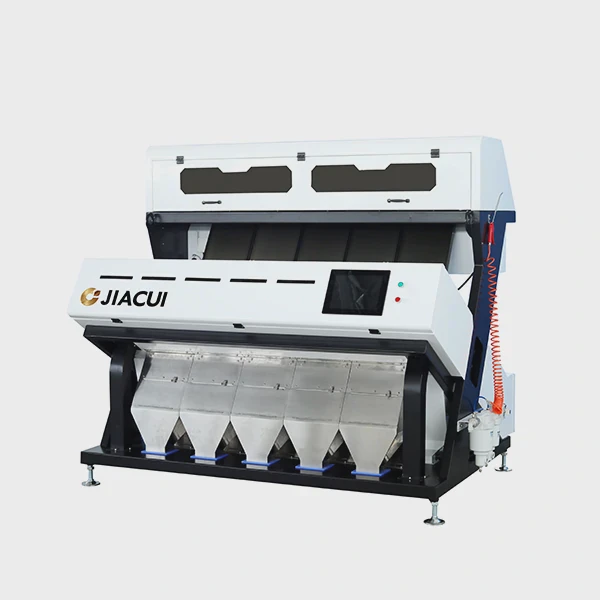
In most food processing and agricultural operations, a color sorter machine handles the job that used to take dozens of workers sorting by hand. The machine scans raw material as it moves through the feed system, identifies defects and foreign objects by color and shape, and ejects them with compressed-air nozzles — all in a fraction of a second per item.
Manual sorting still exists, but it’s slow, inconsistent, and expensive at scale. A color sorter machine processes material continuously at rates measured in tons per hour, with more consistent defect detection than human inspectors can match over long shifts.
Continue reading for a breakdown of how color sorter machines work, the main types available, where they’re used, and what to watch for when buying one.
How a Color Sorter Machine Processes Material
Color sorter machines use CCD imaging and pneumatic ejection to separate good product from defects. Here’s the step-by-step flow:
Feeding. The operator loads raw material into the hopper. A vibrating feeder distributes it evenly across the width of the chute or belt, ensuring each item passes the optical sensors individually rather than in clumps.
Scanning. As material slides down the chute (or travels across the belt), high-speed CCD cameras capture images of every piece. The system compares each image against pre-set color and shape parameters to classify items as “accept” or “reject.”
Ejection. When the main control unit identifies a non-compliant item, it triggers the corresponding air jet valve. A short burst of compressed air deflects the defective piece into the reject bin. Accepted product continues into the clean output stream.
This cycle repeats continuously. Modern color sorter machines process everything from rice and coffee beans to plastic flakes and mineral ore using the same basic scanning-and-ejection sequence.
Types of Color Sorter Machines: Chute, Belt, and Optical
Manufacturers build color sorter machines in several configurations, but most fall into three categories:
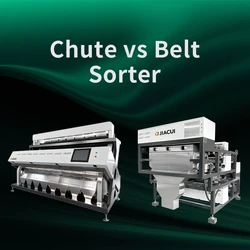
Chute (Channel) Color Sorter Machine
Material slides down a narrow channel past an array of optical sensors. Multiple channels run in parallel, so the machine handles high throughput — often 10 to 20 tons per hour depending on the model. Chute-type machines work well for small, uniform products like rice, wheat, and seeds, where the items can slide freely.
Belt-Type Color Sorter Machine
Instead of a chute, a conveyor belt carries material past a single optical scanning station. Because the product sits flat on the belt and moves at a controlled speed, there’s less impact and abrasion. Belt-type color sorter machines are the standard choice for fragile products — coffee beans, dehydrated vegetables, nuts — where cracking or bruising during sorting is a concern.
Optical Color Sorter Machine
This category covers machines that use laser or camera-based optical systems (sometimes both) for inspection. Optical sorters can detect differences beyond color — including surface texture, shape anomalies, and in some configurations, material composition via near-infrared (NIR) sensors. They provide full-line inspection, meaning every item passing through the scan zone gets evaluated.
How Color Sorter Machines Process Material: Working Principles
Two operating principles govern most color sorter machines on the market:
CCD-based color detection. The machine measures the light transmittance and reflectance of each item as it passes the scan zone. High-speed cameras capture images, and the system compares color intensity values against configured thresholds. Items that fall outside the acceptable range get ejected by the air jets.
Channel-based mechanical separation. After the optical scan identifies reject items, the system activates the spray valves in the corresponding channels. Ejection timing has to sync precisely with the material’s travel speed — a delay of even a few milliseconds means the valve fires at the wrong piece. This is why feed rate consistency matters so much in setup and calibration.
In addition, recycling, diamond, and mining industries, as well as many other companies, use them to sort minerals, sand, stone, and ore.
Where Color Sorter Machines Are Used: Industry Applications
Color sorter machines serve a range of industries. The most common applications include:
Grains and seeds: rice, wheat, barley, sunflower seeds, and other bulk grains
Pulses and beans: soybeans, lentils, chickpeas, mung beans
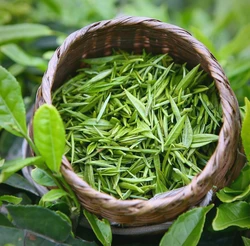
Coffee and tea: green coffee beans, roasted coffee, tea leaves
Nuts and dried fruit: almonds, cashews, raisins, dried apricots
Plastics and recycling: PET flakes, HDPE pellets, mixed plastic sorting
Mining and minerals: quartz, calcite, industrial sand, ore separation
H2: Key Components of a Color Sorter Machine
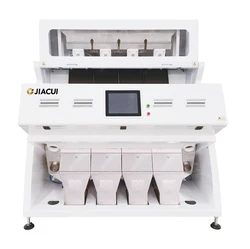
Every color sorter machine has a feeding system, an optical scanning station (cameras, light source, reflectors), a main control unit, and pneumatic ejection valves. JIACUI machines use the following standard configuration:
High-precision air jet nozzles
Toshiba 5400 CCD sensors
Long-life LED reflective light source
FPGA processor for real-time image analysis
15-inch color touchscreen interface
AI auto-learning feature for defect pattern recognition
Real-time data monitoring dashboard
Adjustable camera angle and sensitivity
Color Sorter Machine Risks: What to Watch For
Color sorter machines cut sorting time and reduce defect rates, but they come with real-world problems that catch first-time buyers off guard:


Sorting accuracy on cheaper machines. Lower-tier color sorter machines tend to miss defects that higher-end optical sorters catch consistently. The gap shows up most on subtle color differences — light mold spots on rice, slightly discolored coffee beans, or mixed plastic resins with similar hues.
Product damage in chute-fed sorters. Chute-fed color sorter machines can crack or bruise fragile products when the drop angle or feed rate isn’t tuned properly. The product picks up speed sliding down the chute, and if the landing zone or ejection force isn’t calibrated for that specific item, damage rates climb.
Solenoid valve wear. Leaks, slow response, and inconsistent ejection all trace back to compressed air quality and valve maintenance schedules. When a valve sticks open, good product gets blown into the reject bin. When it sticks closed, defects pass through.
Picking a color sorter machine that fits your throughput, product type, and cleanliness requirements matters more than the price tag. Regular service — air filter checks, valve cleaning, calibration — keeps ejection accuracy stable over years of operation.