

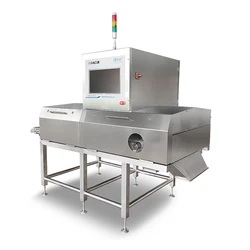

In sesame oil production, the quality of raw seeds directly affects the oil's flavor, nutritional value, and what buyers are willing to pay. A sesame color sorter machine handles the sorting step before extraction — removing defective seeds, stones, and foreign material so that only clean sesame enters the press.
How Sesame Color Sorter Machines Sort Seeds Before Oil Extraction
Sesame seeds are small (roughly 2-3mm) and light-colored, which makes them harder to sort than larger, darker grains like coffee. The machine uses high-resolution CCD cameras and, on some models, near-infrared (NIR) sensors to scan each seed individually.
The sorting process follows three stages:
Feeding. A vibrating hopper distributes raw sesame evenly across the chute channels, preventing clumps that would cause misreads.
Optical scanning. CCD cameras capture images of every seed passing the scan zone. The system compares color, size, and surface texture against configured thresholds to classify each seed as accept or reject. On NIR-equipped models, the sensors also detect internal defects like mold or moisture damage that aren't visible externally.
Ejection. When the system identifies a defective seed or foreign particle, it fires the corresponding air jet valve. The reject — broken seeds, stones, dirt, discolored kernels — gets deflected into the waste stream. Clean seeds continue to the oil extraction line.
Why Oil Processing Plants Use Sesame Color Sorter Machines
Removes aflatoxin risk. Moldy sesame seeds can carry aflatoxins — naturally occurring toxins that survive the oil extraction process and end up in the finished product. Import regulations in the EU, US, and Middle East markets set strict limits on aflatoxin levels. Color sorting catches visibly moldy and discolored seeds before they enter the press, which is why many export-oriented processors treat it as a standard line item rather than an upgrade.
Reduces waste in extraction. Seeds that are cracked, shriveled, or otherwise damaged yield less oil and can introduce off-flavors. Sorting them out before pressing means higher oil yield per batch and more consistent taste.
Cuts manual sorting labor. Hand-sorting sesame is slow — a small crew typically handles a fraction of what a single machine processes. And accuracy drops over long shifts in ways that don't happen with automated systems.
Handles multiple sesame varieties. White, black, and brown sesame each have different color profiles. A sesame color sorter machine adjusts its detection thresholds to match the variety being processed, which matters for plants that run more than one type.
Selecting a Sesame Color Sorter Machine: What to Look For
When evaluating machines for sesame oil processing, a few specifications matter more than others:
High-resolution CCD sensors. Sesame seeds are small, and the defects you're looking for — slight discoloration, hairline cracks — are subtle. Higher pixel counts (such as Toshiba 5400-series sensors) give the system more data to work with per seed.
Stainless steel contact surfaces. Food-grade construction prevents contamination, which matters for facilities that need to meet HACCP or equivalent food safety certifications.
NIR capability (optional but valuable). Near-infrared sensors detect internal mold and moisture damage that color-only cameras miss. For export-grade oil production, the added defect detection is worth the higher equipment cost.
Easy variety switching. Plants that process both white and black sesame need machines that can store and recall different calibration profiles without a lengthy setup process each time.
For sesame oil producers selling into regulated export markets, a color sorter machine is a standard investment — not optional equipment. It handles sorting, quality control, and regulatory compliance in one pass, and it pays for itself through reduced waste, fewer rejected batches, and lower labor costs.