


Metal detectors in the food industry play a crucial role in ensuring the safety and quality of the products we consume daily. They are designed to detect and eliminate metallic contaminants that may find their way into food products, thus safeguarding consumers from potential harm and manufacturers from costly recalls. The presence of metal contaminants can occur due to various reasons, including equipment malfunction, human error, or raw material contamination. Metal detectors serve as a critical checkpoint in the production process, helping to maintain the integrity of food products before they reach consumers.
By identifying and eliminating metallic contaminants, these devices not only protect consumers but also uphold the manufacturer's commitment to quality. The repercussions of failing to detect metal contaminants can be severe, including legal liabilities, loss of consumer trust, and damage to brand reputation. In essence, metal detectors are indispensable tools that help maintain high standards of food safety and quality. Let's delve into how metal detectors work in the food industry and why they are indispensable.
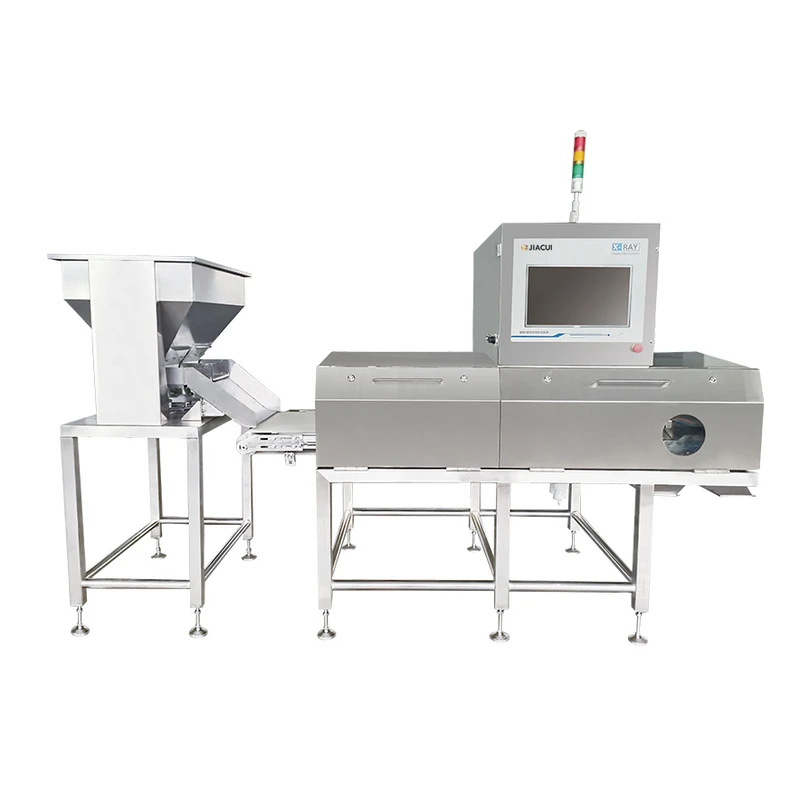
The Importance of Metal Detectors in Food Safety
Why Use Metal Detectors?
Metal detectors are essential in the food industry because they help prevent contamination by detecting metal fragments in food products. These contaminants can enter food during various stages of production, such as processing, packaging, or even from equipment wear and tear. The potential for metal contamination exists at multiple points in the food production cycle, making vigilant detection critical. Detecting these particles is critical to maintaining safety standards and consumer trust, as even tiny fragments can pose serious health risks.Moreover, the use of metal detectors is not just about preventing physical harm; it's also about maintaining the confidence of consumers and stakeholders. In an age where consumers are increasingly concerned about food safety, ensuring that products are free from contaminants is a key aspect of brand integrity. Metal detectors serve as a reliable line of defense, providing assurance that the food products reaching the market are safe for consumption. Their role extends beyond mere detection; they are integral to the quality assurance processes that underpin the food industry.
The Impact of Metal Contamination
Metal contamination poses significant risks, including:Consumer Safety: Ingesting metal fragments can lead to injuries or health issues. The sharp edges or pointed tips of metal particles can cause internal damage or discomfort when ingested, leading to severe medical conditions that require immediate attention.
Brand Reputation: Contaminated products can damage a brand's reputation and result in costly recalls. A single incident of contamination can erode consumer trust, leading to decreased sales and long-term damage to a brand's image.
Regulatory Compliance: Food manufacturers must adhere to strict regulations to ensure food safety. Metal detectors help meet these standards by ensuring that any potential contaminants are identified and removed before products leave the facility. Failure to comply with these regulations can result in significant penalties and legal repercussions.
How Do Metal Detectors Work?
Understanding how metal detectors function involves exploring their key components and the principles behind their operation. Metal detectors in the food industry are sophisticated devices that use advanced technology to provide precise and reliable detection capabilities. Their operation hinges on a few fundamental components and principles that work in harmony to identify and eliminate contaminants.Basic Components of a Metal Detector
Transmitter Coil: Generates a magnetic field. This coil is responsible for creating the electromagnetic environment necessary for detection.Receiver Coils: Detect disturbances in the magnetic field caused by metal. These coils are strategically positioned to sense any changes in the magnetic field that occur when metal is present.
Control Unit: Analyzes signals from the receiver coils and identifies metal presence. This unit processes the data received and determines whether a metal object is in the detection zone, triggering an appropriate response.
Operating Principle
Metal detectors operate on the principle of electromagnetic induction. Here's how it works:Magnetic Field Generation: The transmitter coil creates a magnetic field around the detector's aperture. This field is the baseline against which any disturbances are measured.
Metal Detection: When metal passes through this magnetic field, it disturbs the field by inducing an electric current in the metal object. This disturbance is what the detector senses.
Signal Detection: The receiver coils pick up the change in the magnetic field and send a signal to the control unit. The alteration in the field is detected as a potential presence of metal.
Signal Analysis: The control unit processes the signal to determine if metal is present and triggers an alarm or rejection mechanism if necessary. This ensures that contaminated products are removed from the production line.
Types of Metal Detectors Used in the Food Industry
Conveyor Belt Metal Detectors
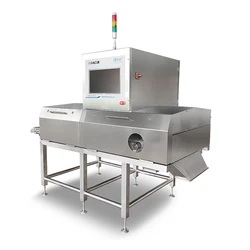
Conveyor belt metal detectors are widely used in food processing plants. They are integrated into production lines and inspect products as they pass through the detection field. These systems are versatile and can be adjusted to suit different product types and sizes, making them ideal for diverse production environments. They ensure that all products undergo stringent checks before they proceed to the next stage of processing or packaging.
These detectors provide continuous monitoring and can be designed to accommodate various product sizes and production speeds. Their adaptability makes them a popular choice for many manufacturers, as they can be tailored to fit seamlessly into existing production lines. By automating the detection process, conveyor belt metal detectors enhance efficiency and ensure consistency in quality control.
Pipeline Metal Detectors
Pipeline metal detectors are ideal for inspecting liquid or semi-liquid products. They are installed directly into the pipeline, ensuring continuous monitoring of the product flow. This type of detector is common in dairy and beverage industries, where maintaining the purity of liquid products is crucial. By integrating the detector into the pipeline, manufacturers can detect contaminants without disrupting the flow of production.The real-time monitoring capability of pipeline metal detectors allows for immediate action if a contaminant is detected. This immediacy is critical in preventing contaminated products from reaching the consumer. By ensuring that every drop of liquid that passes through is free from metal, these detectors play a pivotal role in maintaining product integrity.
Gravity Fall Metal Detectors
Gravity fall metal detectors are used for inspecting free-falling products, such as grains or powders. These detectors are positioned at the discharge point of a hopper or chute, where products fall freely through the detection field. This setup allows for the efficient detection of contaminants in bulk materials, which are otherwise difficult to inspect due to their volume and flow characteristics.These detectors are designed to handle large volumes of products quickly, making them ideal for high-throughput environments. By ensuring that contaminants are detected and removed before packaging, gravity fall metal detectors help maintain the quality and safety of bulk food products. Their ability to operate effectively in a fast-paced production environment makes them a valuable asset in the food industry.
Challenges in Metal Detection
Product Effect
Certain food products, especially those with high moisture or salt content, can affect the sensitivity of metal detectors. This phenomenon, known as the "product effect," can cause false alarms. High moisture or salt levels can mimic the signal of a metal contaminant, leading to incorrect detections. To counteract this, detectors are calibrated to differentiate between the product's natural signal and actual metal contamination.Calibration requires careful adjustment and testing to ensure that the detector can accurately distinguish between the product and potential contaminants. This process is crucial for minimizing false positives, which can lead to unnecessary product rejection and waste. By addressing product effect, manufacturers can maintain efficient operations while ensuring that safety standards are upheld.
Sensitivity and Detection Limits
The sensitivity of a metal detector is crucial for detecting small metal particles. However, increasing sensitivity can also lead to false positives. Manufacturers must strike a balance between sensitivity and accuracy to ensure effective detection without unnecessary rejections. This balance is vital for maintaining productivity and minimizing losses due to false alarms.Adjusting sensitivity involves fine-tuning the detector to match the specific requirements of the product being inspected. Factors such as product size, composition, and packaging can all influence the optimal sensitivity level. By carefully calibrating the detector, manufacturers can enhance detection capabilities while minimizing disruptions to the production process.
Best Practices for Using Metal Detectors
Regular Calibration and Maintenance
Regular calibration and maintenance are essential to ensure metal detectors operate effectively. Calibration involves adjusting the detector's sensitivity to account for product effect and environmental factors. By regularly calibrating the detector, manufacturers can ensure that it remains accurate and reliable over time. Routine maintenance helps identify and fix any mechanical or electrical issues promptly, preventing potential disruptions to production.Effective maintenance extends the lifespan of the detector and ensures that it continues to perform optimally. By adhering to a regular maintenance schedule, manufacturers can minimize the risk of unexpected breakdowns and ensure that the detector remains a robust line of defense against contamination.
Employee Training
Properly trained staff are crucial for the successful operation of metal detectors. Training should include understanding the equipment's functionality, recognizing false alarms, and knowing how to respond to detections. Well-trained employees are equipped to handle the complexities of metal detection, ensuring that the equipment is used effectively and efficiently.Ongoing training ensures that staff are up-to-date with the latest detection technologies and best practices. By fostering a culture of continuous learning, manufacturers can enhance the effectiveness of their metal detection processes and maintain high standards of food safety.
Documentation and Record-Keeping
Maintaining accurate records of metal detection activities is vital for traceability and compliance. Documentation should include calibration logs, maintenance schedules, and records of any incidents of metal detection and corrective actions taken. These records provide a comprehensive overview of the detection process, allowing manufacturers to track performance and identify areas for improvement.By maintaining detailed documentation, manufacturers can demonstrate their commitment to quality and compliance in the event of an audit or inspection. Effective record-keeping also supports continuous improvement efforts by providing data that can be analyzed to enhance detection processes.
Future Trends in Metal Detection
Advanced Technology Integration
The future of metal detection in the food industry includes integrating advanced technologies such as artificial intelligence and machine learning. These technologies can enhance detection capabilities by improving signal analysis and reducing false positives. By leveraging AI and machine learning, metal detectors can adapt to changing conditions and optimize their performance in real-time.Advanced technologies also enable more precise detection by analyzing complex patterns and data that traditional methods might miss. As these technologies evolve, they promise to deliver even greater accuracy and reliability in metal detection, setting new standards for food safety.
Enhanced Data Analytics
Data analytics can provide valuable insights into detection patterns and help optimize production processes. By analyzing detection data, manufacturers can identify trends, improve quality control, and make informed decisions to enhance food safety. Data analytics can reveal hidden patterns and correlations, providing a deeper understanding of contamination risks and detection efficacy.By implementing data-driven strategies, manufacturers can enhance their detection processes and ensure that they remain ahead of emerging threats. Enhanced data analytics also supports continuous improvement efforts, driving innovation and efficiency in food safety protocols.