Introducción
Cualquier exportador de café conoce la pesadilla operativa: un lote entero devuelto o castigado en precio por contener piedras, granos brocados, conchas, restos de cáscara o daños por hongos. Ocurre más de lo deseado y destruye el margen de beneficio de la cosecha.
El proceso de limpieza y preparación de café verde (café oro) antes de su envasado y despacho no es opcional: es la barrera de control que distingue un lote de Café de Especialidad (Specialty Coffee) o de Exportación Estándar de un envío rechazado en el puerto de destino.
Esta guía detalla el flujo de trabajo real y los equipos eficaces para eliminar defectos e impurezas, desde la selección primaria hasta las tecnologías de clasificación óptica de última generación.

Aquí tienes el texto revisado, corregido y editado profesionalmente para adaptarse a la terminología oficial de la industria cafetalera y del comercio internacional de café:
¿Qué es la Eliminación de Impurezas en los Granos de Café?
La eliminación de impurezas (o proceso de limpieza y trilla) consiste en separar y extraer todo elemento ajeno a un grano de café verde (café oro) sano y apto para la tostación. Este proceso elimina material extraño (como piedras, palos y polvo), así como granos defectuosos (negros, mohosos, agrios o dañados por insectos) y subproductos del procesamiento (como cáscaras o restos de pergamino).
Es un paso crítico en la cadena de valor por tres razones fundamentales:
Control de calidad en destino: Los compradores e importadores internacionales inspeccionan los lotes e imponen penalizaciones comerciales o rechazan cargamentos con exceso de defectos.
Homogeneidad en la tostación: Los granos defectuosos o desiguales alteran el comportamiento térmico en el tostador; un solo grano agrio o fermentado puede arruinar el perfil de sabor de un lote entero.
Cumplimiento de estándares de exportación: Organismos internacionales y aduanas (como la Organización Internacional del Café - OIC y la Specialty Coffee Association - SCA) aplican límites estrictos sobre la tolerancia máxima de defectos permitidos por muestra.
¿Por qué es Fundamental la Limpieza del Café Verde?
El café limpio y bien clasificado cotiza a precios sensiblemente superiores (premios de calidad).
Más allá del valor financiero, una adecuada preparación del grano ofrece:
Uniformidad en el tostado: Los granos sin uniformidad de densidad y calibre se tuestan de forma irregular.
Integridad organoléptica: Se eliminan los defectos de taza (sabores a moho, fenol o fermentos indeseados).
Fidelización de compradores: Garantiza relaciones comerciales sostenibles con clientes que exigen calidad constante.
Mitigación de riesgos operacionales: Minimiza el riesgo financiero de devoluciones o rechazos en los puertos de destino.
Para todo exportador con destino a mercados exigentes como Estados Unidos, la Unión Europea o Japón, la limpieza y clasificación óptica son requisitos indispensables de acceso al mercado.
Impurezas y Defectos Comunes en el Café Verde
1. Impurezas Físicas y Material Extraño:
Piedras y grava: Recogidas habitualmente durante la recolección o el secado en patios de tierra.
Ramistas y materia vegetal: Restos de la poda o cosecha de los cafetos.
Polvo, cáscara y cascarilla (pergamino): Polvillo y subproductos desprendidos durante el trillado o beneficio seco.
Partículas metálicas: Desprendimientos o desgaste mecánico de las trilladoras o elevadores.
2. Defectos Físicos y Sanitarios en el Grano:
Granos Negros: Resultado de frutos sobremadurados, fermentación excesiva o muerte del embrión.
Granos Agrios (Sour Beans): Causados por fermentaciones indeseadas durante el beneficio húmedo o secado lento.
Granos Mohosos / Afectados por Hongos: Producto de un secado deficiente o almacenamiento con exceso de humedad.
Granos Partidos, Quebrados o Mutilados: Daño mecánico producido durante el trillado.
Granos Brocados (Dañados por Insectos): Perforados por la broca del café (Hypothenemus hampei), habitualmente huecos o con galerías internas.
Cada uno de estos defectos afecta negativamente el perfil de taza, la uniformidad del tostado o la salubridad del producto final.
Main Corrections Made to the Original Draft / Principales Errores Corregidos del Original:
Corrección de "Vainas", "Judías" y "Habas" de café:
En español técnico no se utiliza "vainas", "habas" ni "judías" para referirse al café (son calcos del inglés coffee beans/pods). El término correcto en toda la industria es granos de café, café verde o café oro.
Corrección de "Una buena y buena":
Redundancia corregida a "grano de café verde sano y apto para la tostación".
Mantenimiento de Términos Comerciales e Institucionales:
Sustitución de las siglas generales por las entidades oficiales correspondientes: OIC / ICO (Organización Internacional del Café) y SCA (Specialty Coffee Association).
Cómo Eliminar Impurezas en las Semillas de Café (5 Métodos Efectivos)
1. Ordenación Manual
Los trabajadores seleccionan granos secos en una mesa y eliminan los defectuosos a mano. Esto aún es común en partes de Etiopía, Colombia y otros países de origen, especialmente para lotes especiales.
Funciona para lotes pequeños. El problema es la consistencia: las personas se cansan, la atención disminuye después de unas pocas horas y las tasas de defectos aumentan. También es costoso a escala cuando se consideran los costos laborales en comparación con el rendimiento.
2. Fijado y cribado
Las cribas vibrantes separan las habas por tamaño. El material más pequeño (polvo, habas quebradas, cáscaras) cae a través mientras que las habas enteras se quedan en la parte superior.
Esta maneja bien la separación basada en el tamaño y es económica de ejecutar. Lo que no puede hacer es detectar defectos de color; una judía negra y una judía sana pueden ser del mismo tamaño y pasar juntas.
3. Separación por gravedad
Las mesas de gravedad o destonadores utilizan vibración y aire para separar materiales por densidad. Las piedras y los desperdicios pesados se hunden a un lado; las habas más ligeras flotan al otro lado.
Esto es particularmente útil para:
Remover piedras y objetos extranjeros pesados
Separar habichuelas huecas o dañadas por insectos (que son más ligeras que las habichuelas sanas)
No chemicals involved. La desventaja es que tampoco detectará defectos de color; una judía enmohecida tiene la misma densidad que una buena.
4. Separación magnética
Un paso simple pero necesario. Los imanes colocados a lo largo de las cintas transportadoras atrapan fragmentos de metal - clavos, alambre, desechos ferrosos de equipos o el patio de secado.
Esto no mejora directamente la calidad del café, sino que protege tanto el equipo de procesamiento en el flujo descendente (molinos, tostadores) como cumple con los requisitos de seguridad alimentaria en la mayoría de los mercados de importación.
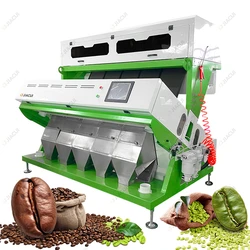
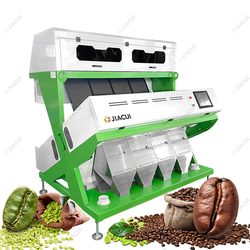
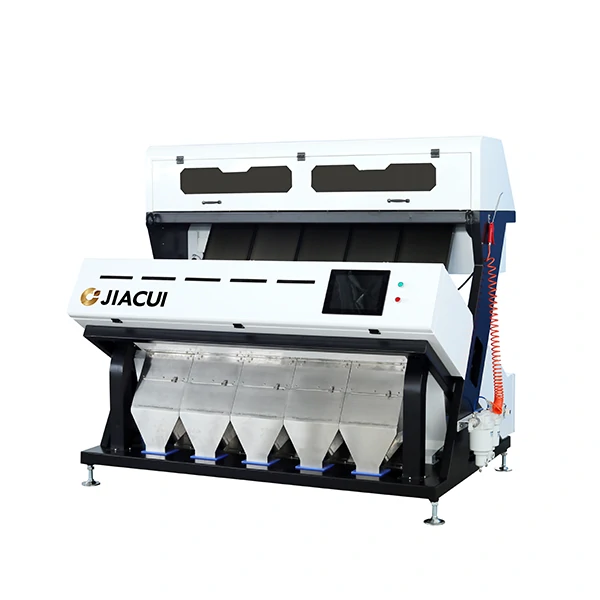
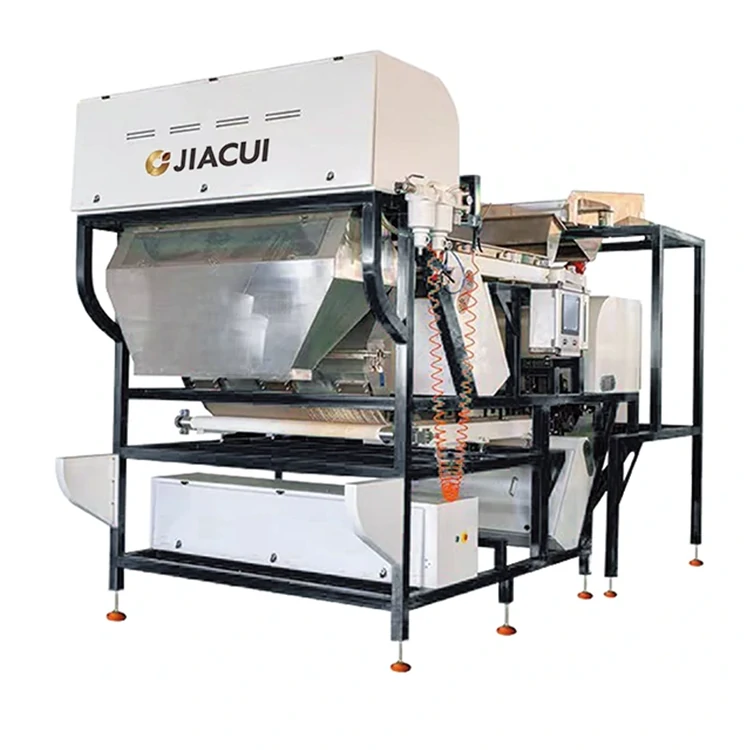
5. Clasificación de Color Óptico (Método Más Avanzado)
Esto es lo que la mayoría de las operaciones de exportación medianas y grandes utilizan ahora, y con buena razón.
Las legumbres pasan bajo cámaras de alta resolución (generalmente sensores CCD). El software, cada vez más basado en IA, clasifica cada legumbre en tiempo real en función del color, forma y textura de la superficie. Las legumbres marcadas como defectuosas se despegan de la línea con un soplo de aire.
Los números:
La precisión de clasificación generalmente alcanza el 99.5% o más alto.
La capacidad de producción varía desde unos cientos de kg/hora hasta varios toneladas/hora dependiendo del tamaño de la máquina.
Las tasas de rechazo de las judías defectuosas caen bien por debajo del 1%.
Maneja casi todo lo que los métodos anteriores atrapan, además de defectos que no pueden, como judías ligeramente decoloradas o judías con defectos superficiales pequeños que un clasificador humano podría pasar por alto a velocidad.
¿Cuál es el mejor método de limpieza de granos de café?
Depende del tamaño de la operación:
Pequeñas granjas o cooperativas: La separación a mano más el tamizado es realista y económica.
Estaciones de procesamiento medianas (1-20 toneladas/día): La separación por gravedad más la cribado da buenos resultados.
Exportaciones de instalaciones de procesamiento de 20+ toneladas al día: La separación óptica es la norma. El retorno de inversión es claro: menos envíos rechazados y un precio por kg mayor paga por la máquina.
La mayoría de las operaciones de exportación utilizan una combinación: destonadores y pantallas primero para eliminar los desechos obvios, luego el ordenamiento óptico para capturar los defectos restantes.
Aquí tienes la traducción, corrección de errores y edición profesional del cierre del artículo para la industria del café de exportación.
¿Cómo Mejoran la Calidad de Exportación las Clasificadoras Ópticas de Café?
La transición hacia la clasificación automatizada ha transformado la dinámica del comercio internacional de café:
Reducción de rechazos en destino: Disminución drástica de contenedores devueltos o sancionados en los puertos de llegada.
Reducción del conteo de defectos por muestra: Menor número de imperfecciones por cada 300 gramos de muestra (estándar SCA/OIC), lo que permite categorizar el lote en grados superiores (Specialty o Premium) y obtener mejores diferenciales de precio.
Optimización de costos operacionales: Reducción sustancial del costo de mano de obra por tonelada métrica procesada.
Homogeneidad entre lotes: Garantiza consistencia volumen a volumen, un factor crítico para los compradores que requieren perfiles de tostado estables.
El papel de la Inteligencia Artificial: Las clasificadoras por color equipadas con IA permiten definir parámetros de expulsión altamente específicos (por ejemplo, aislar tonalidades exactas de decoloración o defectos morfológicos leves). Esto minimiza el arrastre falso (carry-over) y evita el desperdicio de grano sano sin comprometer la pureza del lote.
Preguntas Frecuentes (FAQ): Limpieza y Selección de Café Verde
1. ¿Cómo se eliminan las piedras del café verde?
La tecnología más eficiente para la remoción de piedras es la despedradora por gravedad (Destoner). Aunque las clasificadoras ópticas también pueden expulsarlas por contraste o infrarrojos, la despedradora neumática es una solución previa más económica que protege las trilladoras y las clasificadoras ópticas contra el desgaste mecánico.
2. ¿Cuál es la mejor secuencia para limpiar y clasificar café verde?
Para plantas comerciales y de volumen de exportación, el flujo óptimo consta de: Pre-limpieza con aspiración ➔ Despedrado ➔ Trillado / Descascarillado ➔ Tamizado granulométrico (zaranda) ➔ Mesa densimétrica ➔ Clasificación óptica por color. Para micro-lotes de especialidad (Specialty Coffee), la selección manual sobre mesas iluminadas sigue siendo una opción complementaria válida.
3. ¿Aún es viable la selección manual del café?
Sí. La selección manual se mantiene en origen para microlotes de muy alto valor, donde se busca una revisión artesanal. Sin embargo, para volúmenes comerciales de exportación, la selección manual resulta lenta, inconsistente por fatiga humana y costosa por tonelada.
4. ¿Qué máquinas se utilizan en una línea de limpieza de café?
Los equipos principales son:
Despedradoras (Destoners): Separación gravimétrica de piedras y metales.
Zarandas y clasificadoras vibratorias: Separación por tamaño/malla (screen size).
Mesas densimétricas: Separación por peso específico.
Clasificadoras ópticas por color (RGB + NIR + IA): Eliminación de defectos de color, tono, forma y manchas.
Conclusión
Extraer las impurezas del café verde es un concepto simple: separar el grano sano del defectuoso. Lo que ha evolucionado drásticamente es la tecnología aplicada. Las clasificadoras ópticas por color permiten alcanzar estándares de pureza imposibles de lograr únicamente con selección manual.
Además, la ecuación económica es contundente: la prevención de un solo contenedor rechazado en puerto y la captura de premios por calidad cubren con creces la inversión en el equipo. Para cualquier exportador que busque competir en los mercados internacionales más exigentes, la clasificación óptica ha dejado de ser un lujo para convertirse en un requisito operativo indispensable.