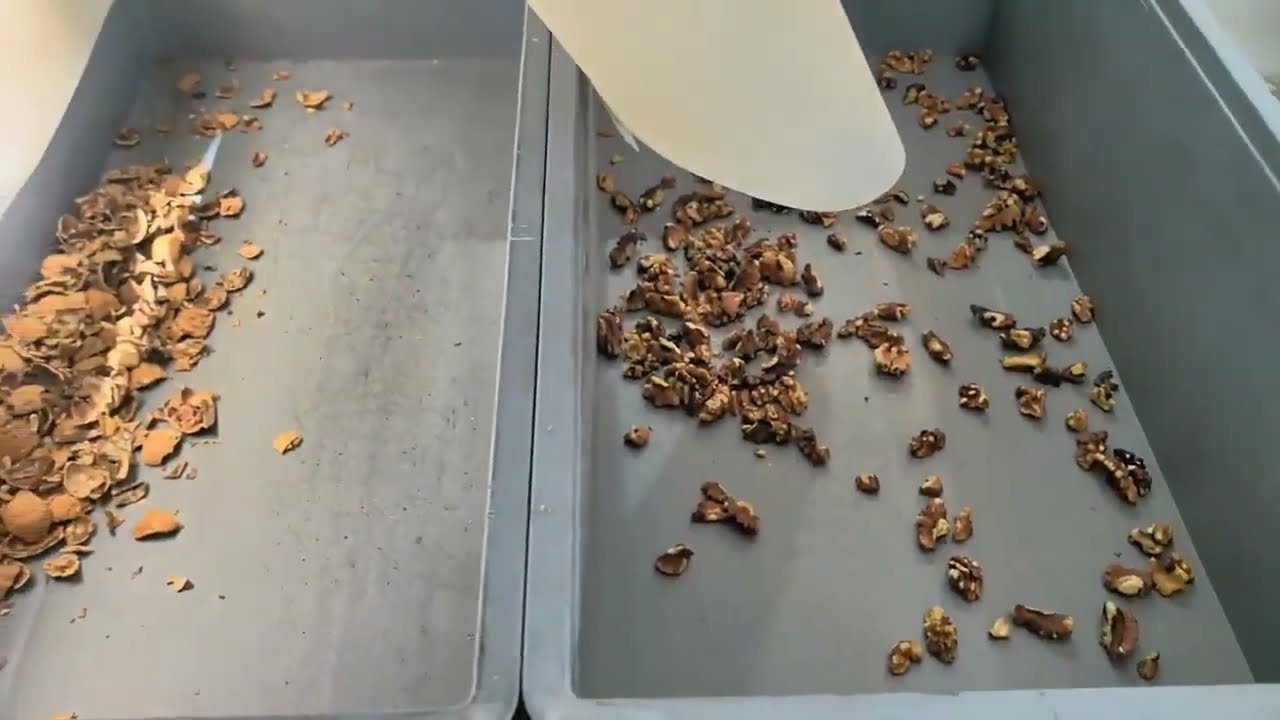
Walnut shell and kernel sorting on a belt sorter
Shell fragments and kernels travel in a single layer, so the camera sees each piece against the same background and the ejector removes shell without taking the kernel.
Read the full breakdown →This is not a stock-footage gallery. Every clip was filmed on our production floor or at a customer site, and each card names the material and the machine type — chute or belt — so you can compare the setup closest to your own product.
Watch the reject stream rather than the headline accuracy figure: it tells you how much good product leaves with the defects. If a clip matches your material, send a sample and we will run the same test on your lot.
Shell fragments and kernels travel in a single layer, so the camera sees each piece against the same background and the ejector removes shell without taking the kernel.
Read the full breakdown →
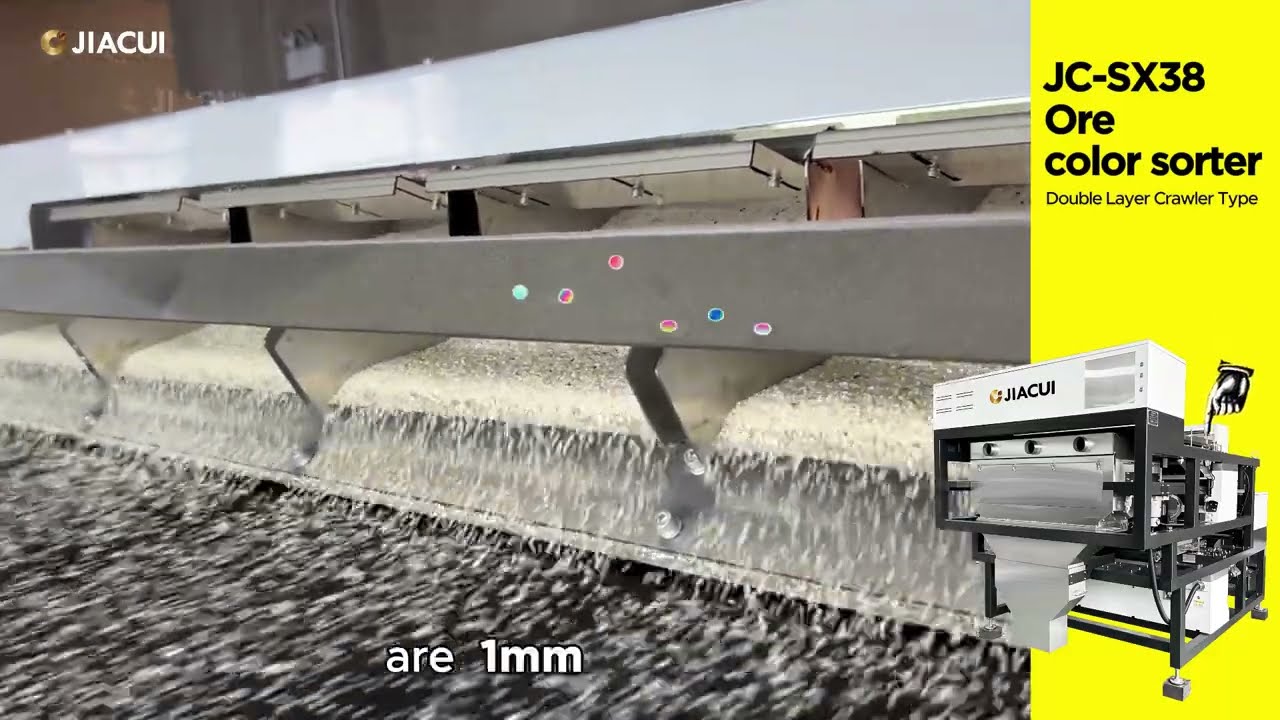
Fine sand is the hardest test for ejector timing. This run shows how pulse width, stable air supply and clean windows decide the result.
Read the full breakdown →

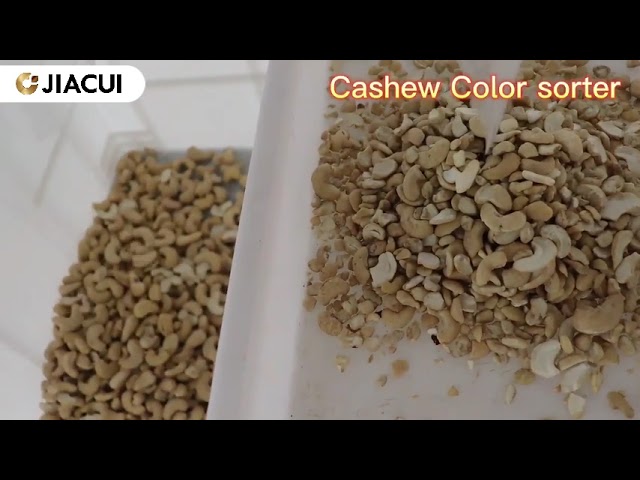
Raw cashews graded in one pass. Belt transport keeps fragile kernels out of a free-fall chute, which is why breakage stays low.
Read the full breakdown →

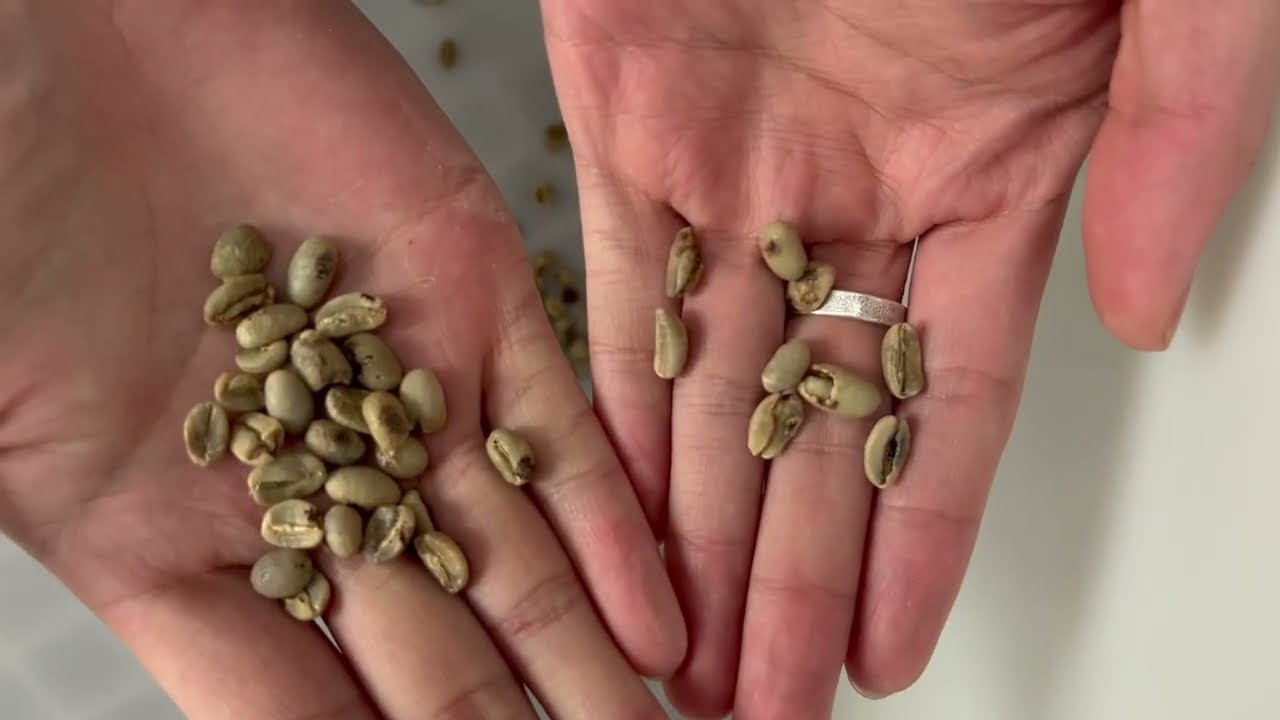
Black, sour and broken beans removed from green coffee, with the operator explaining the settings and the reject stream on camera.
Read the full breakdown →
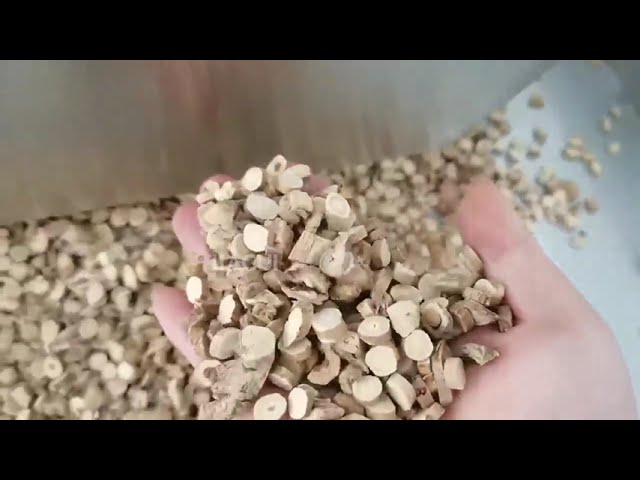
Light, slightly sticky herbal slices that misbehave on a chute; belt transport holds them flat for a stable camera view.
Read the full breakdown →
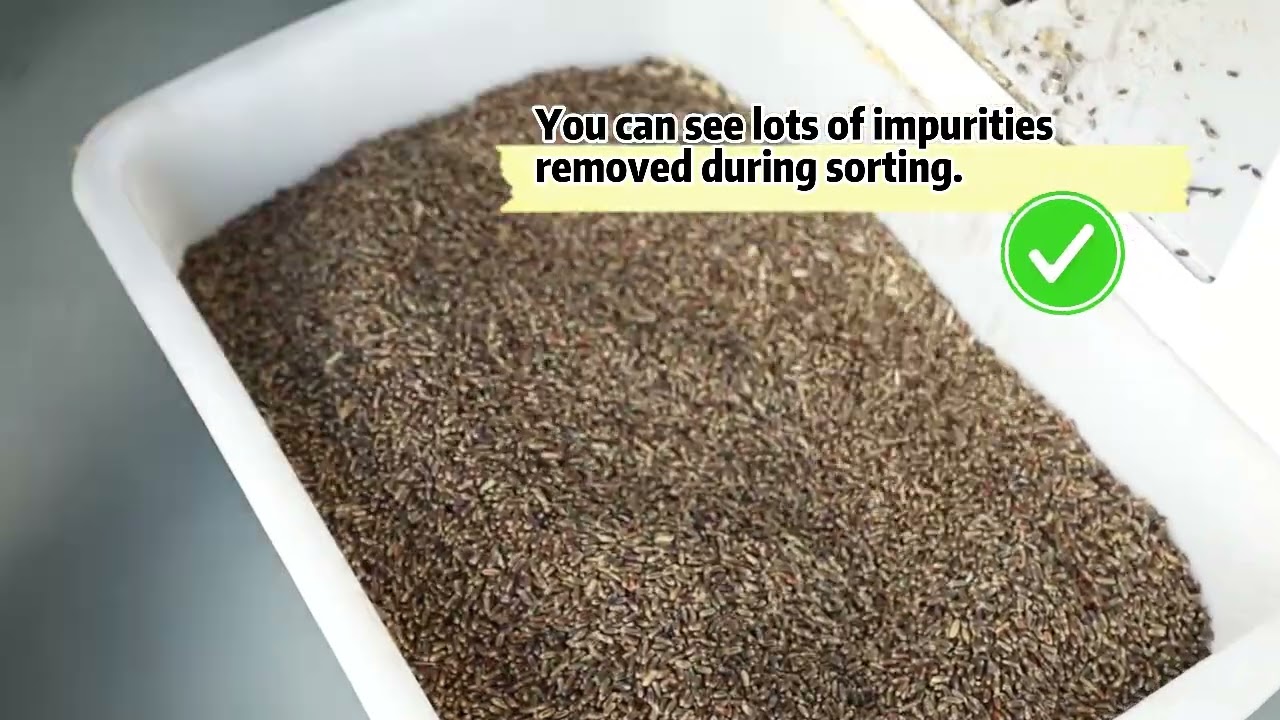
Discoloured and broken wheat kernels removed from a seed lot, with a clear view of the accept and reject streams.
Watch on YouTube →
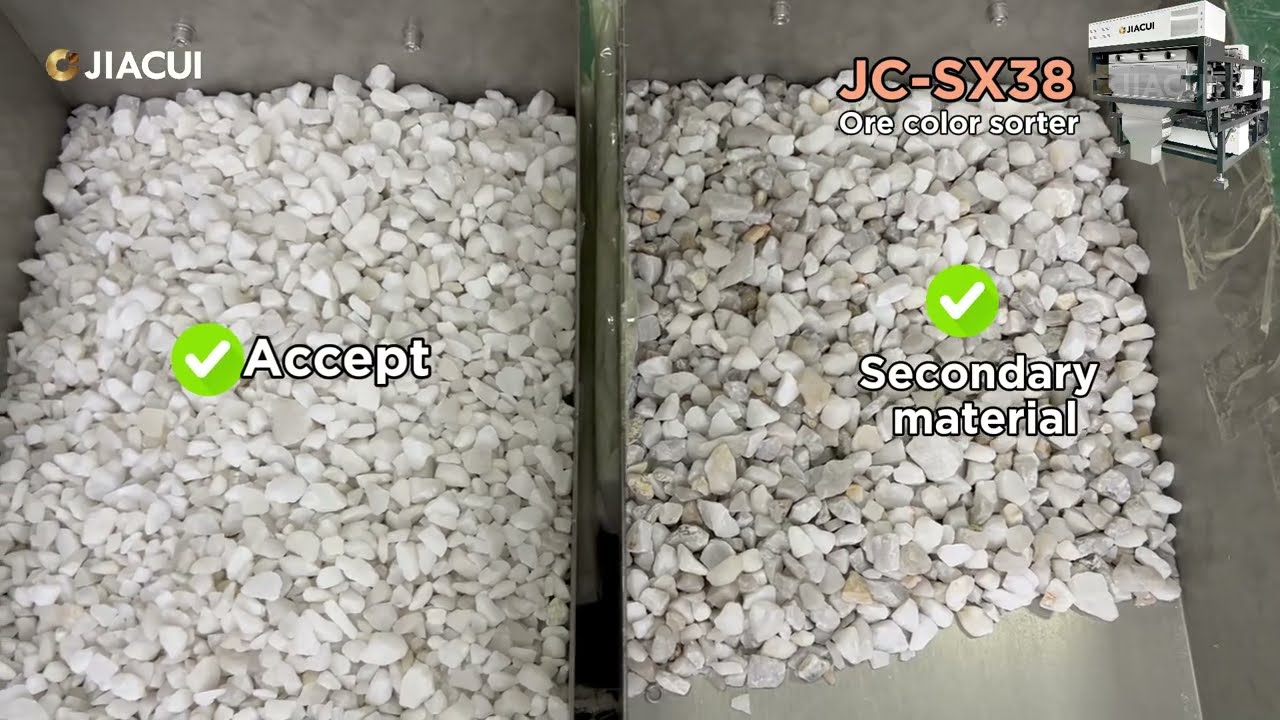
Recipe switching between two quartz grades; the video reports 99.9% accuracy on both streams.
Watch on YouTube →
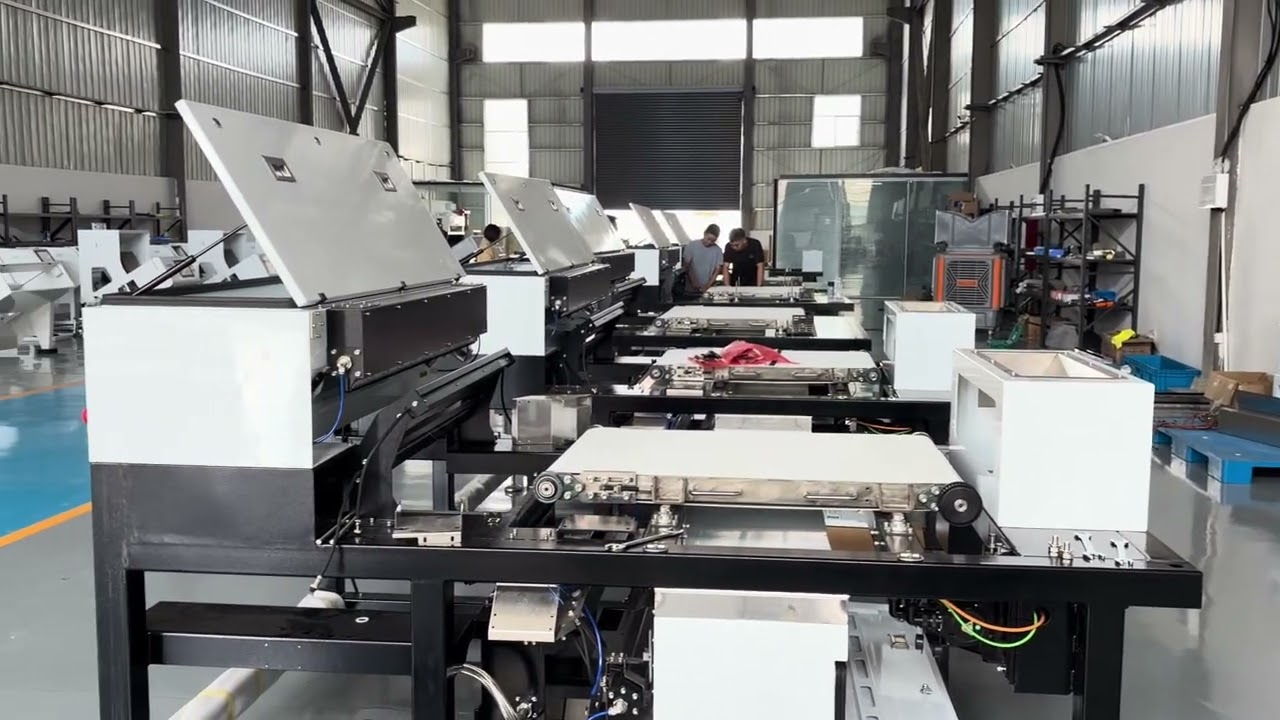
A factory semi-finished belt machine running three nut types, useful for comparing how belt speed is set per material.
Watch on YouTube →
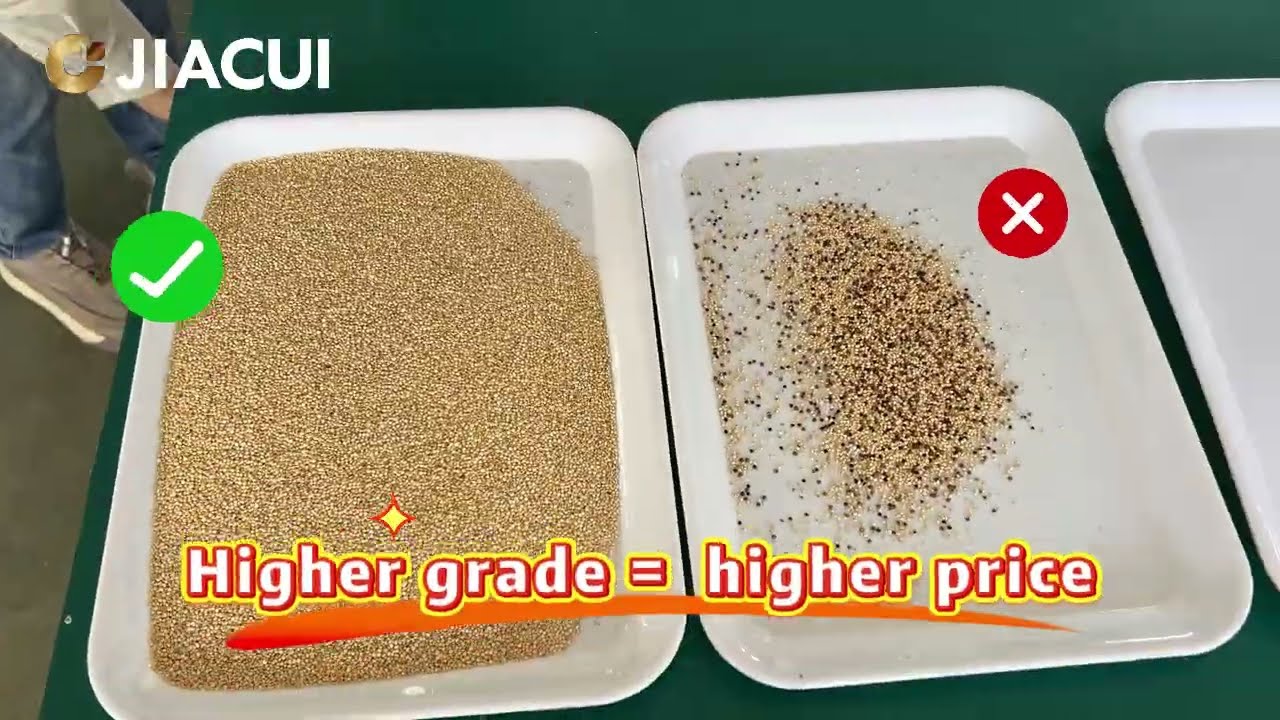
Stones, discoloured seeds and chaff taken out of quinoa; watch the reject stream to judge carry-over, not just removal.
Watch on YouTube →
Delicate flowers sorted at reduced vibration and airflow, with the video reporting 99% purity on the accept stream.
Watch on YouTube →
Camera, LED source, background plate, ejector and air path explained on a running machine rather than in a diagram.
Watch on YouTube →
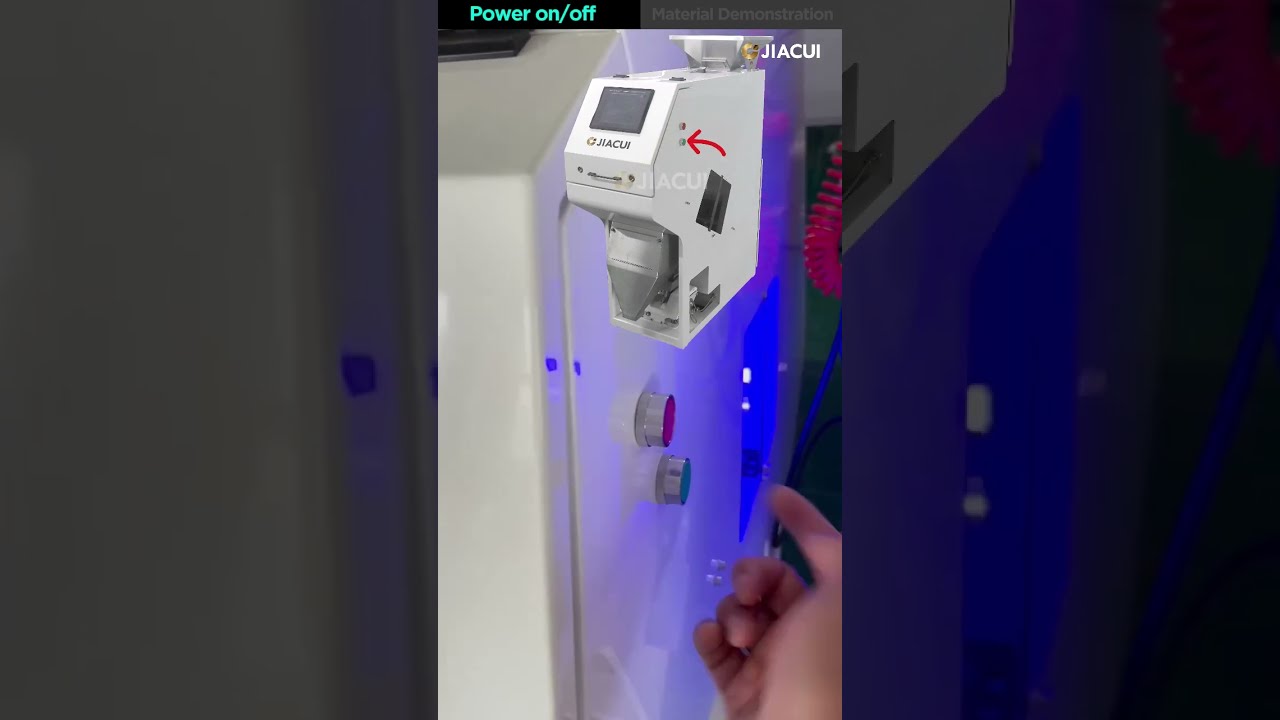
Recipe setup, sensitivity, daily cleaning and shutdown in one walkthrough for new operators and shift supervisors.
Watch on YouTube →Slow it down at the ejection point. A clean reject stream that contains no good material matters more than a high percentage in the title. If the clip only shows the accept stream, ask for the other side.
Check the feed. Uniform, single-layer feeding is a machine and feeder issue, not an operator trick. A video with overlapping material hides the real capacity and the real carry-over.
Match the machine, not the material name. Nuts and herbs are usually belt work because shape and fragility matter; coffee, grains and minerals are usually chute work because throughput matters. The tag on each card follows this logic.