
- Home
-
Color Sorters
Optical Color Sorters
-
Solutions
Solutions
- Service
- Blog
- Videos
- About Us
- Contact Us


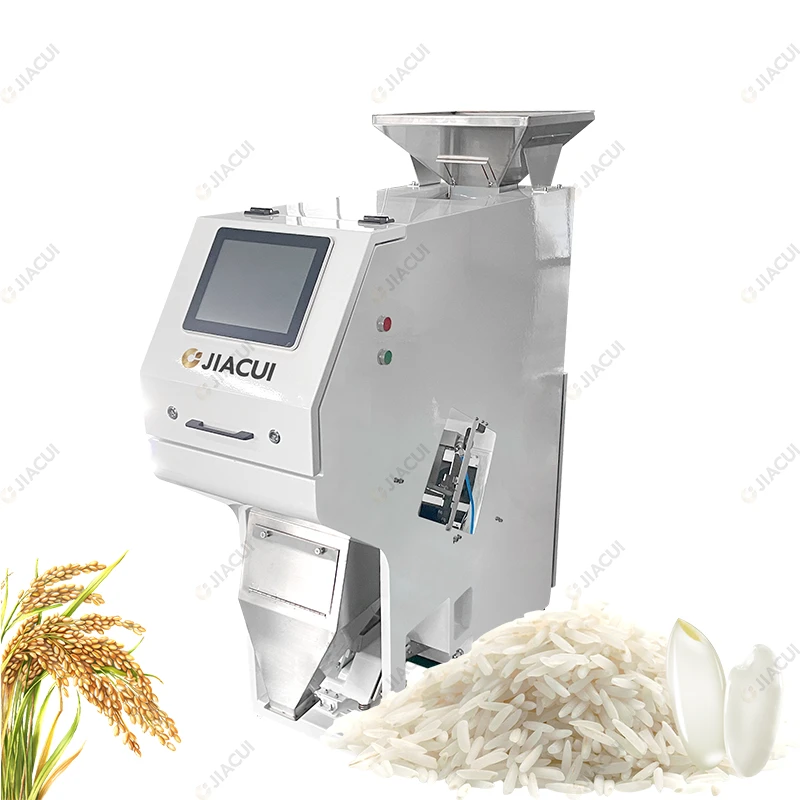
CS-HA32 32-Channel Mini Color Sorter
A 32-channel mini platform for rice labs and small batches. 0.25 t/h, 0.7 kW and 105 kg, carrying the same >120:1 carryover approach as the full-size rice machines.
Where the CS-HA32 fits
CS-HA32 is the 32-channel mini platform for rice labs and small production batches. 0.25 t/h at 0.7 kW and 105 kg fits on a bench line, while the >120:1 carryover lets a lab reproduce the yield behaviour of a full mill sorter before a capital decision is made.
For a full view of the range, compare against the CS-2A128, CS-3A and CS-4A before choosing capacity. All figures are nominal and confirmed on your sample.
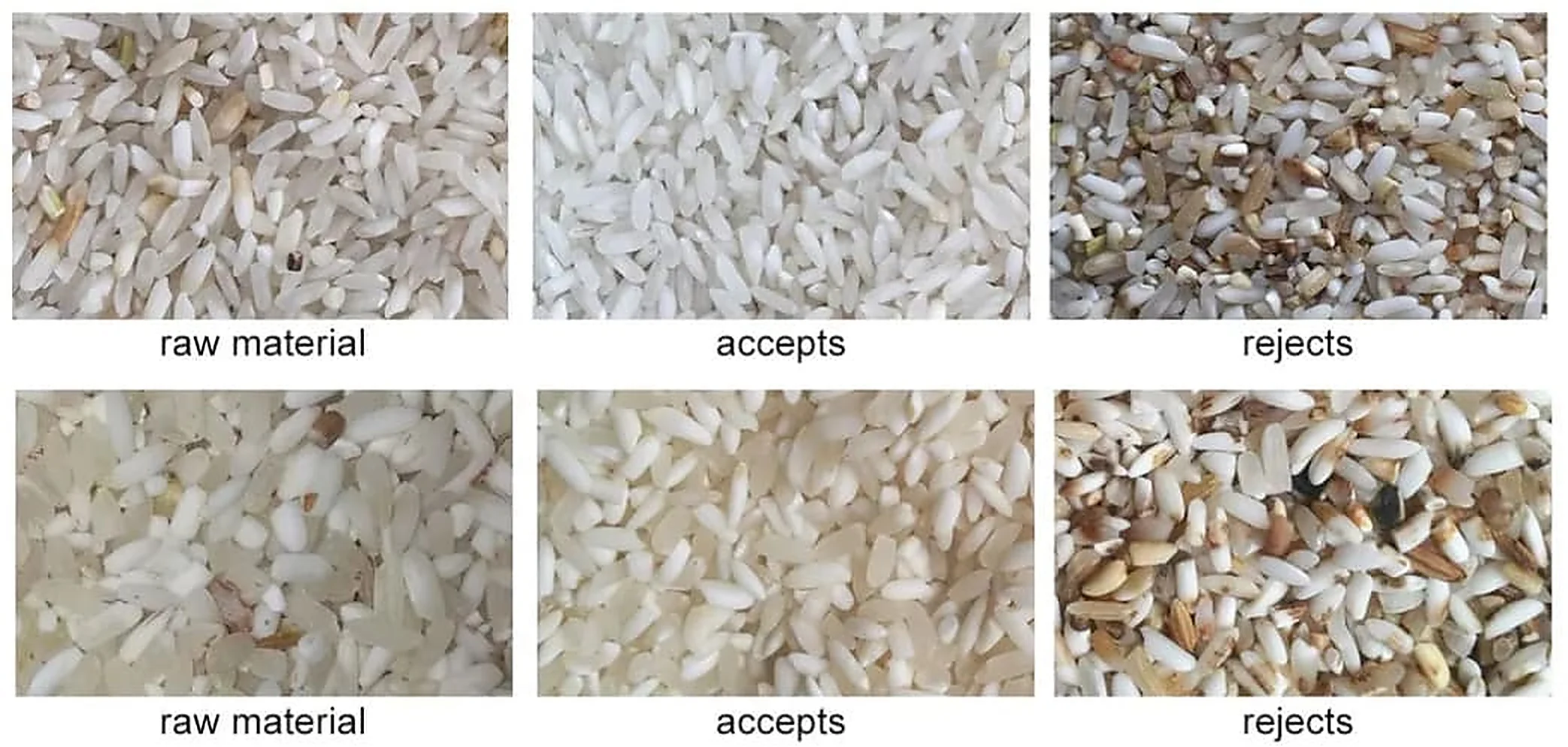
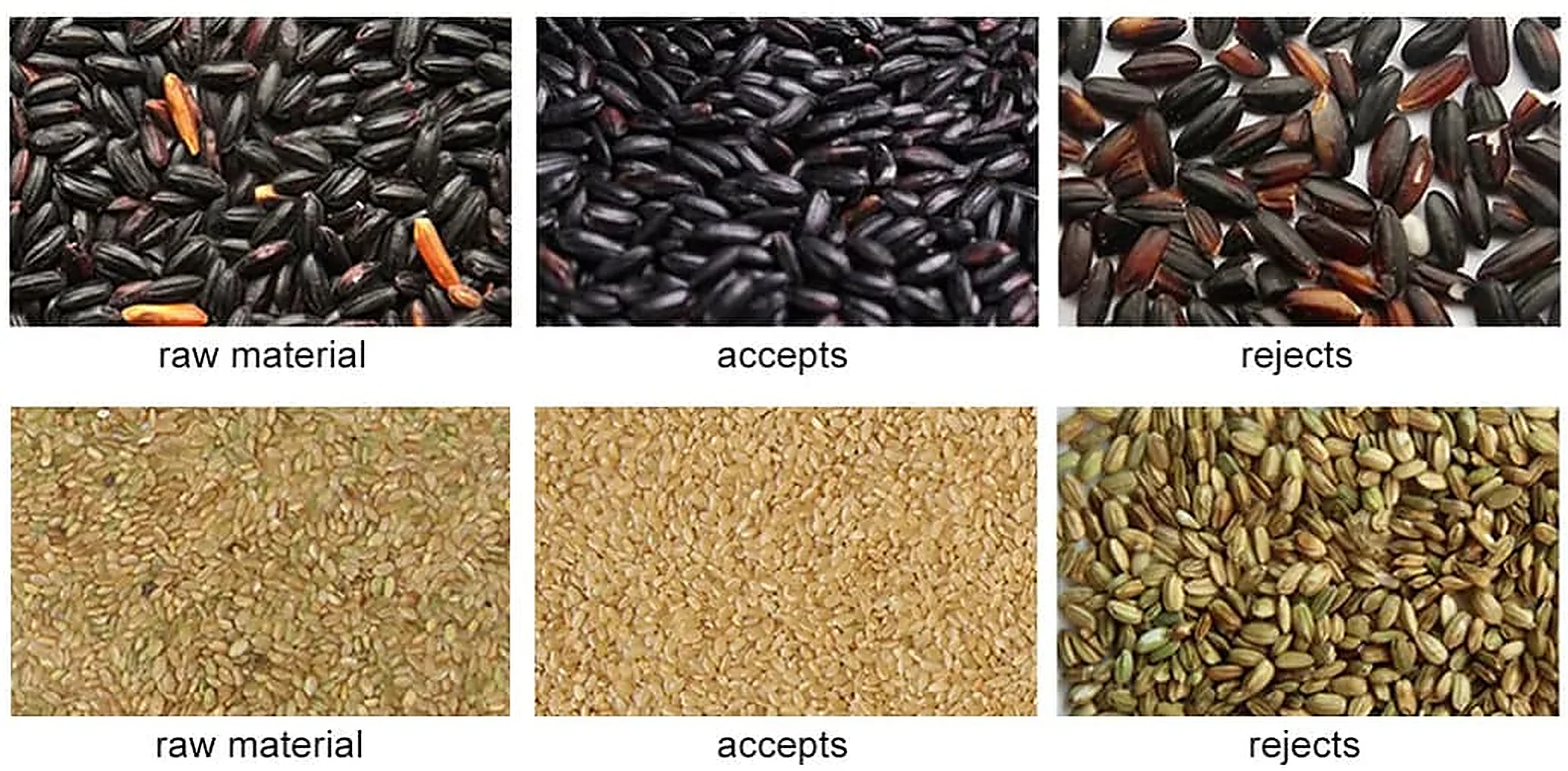
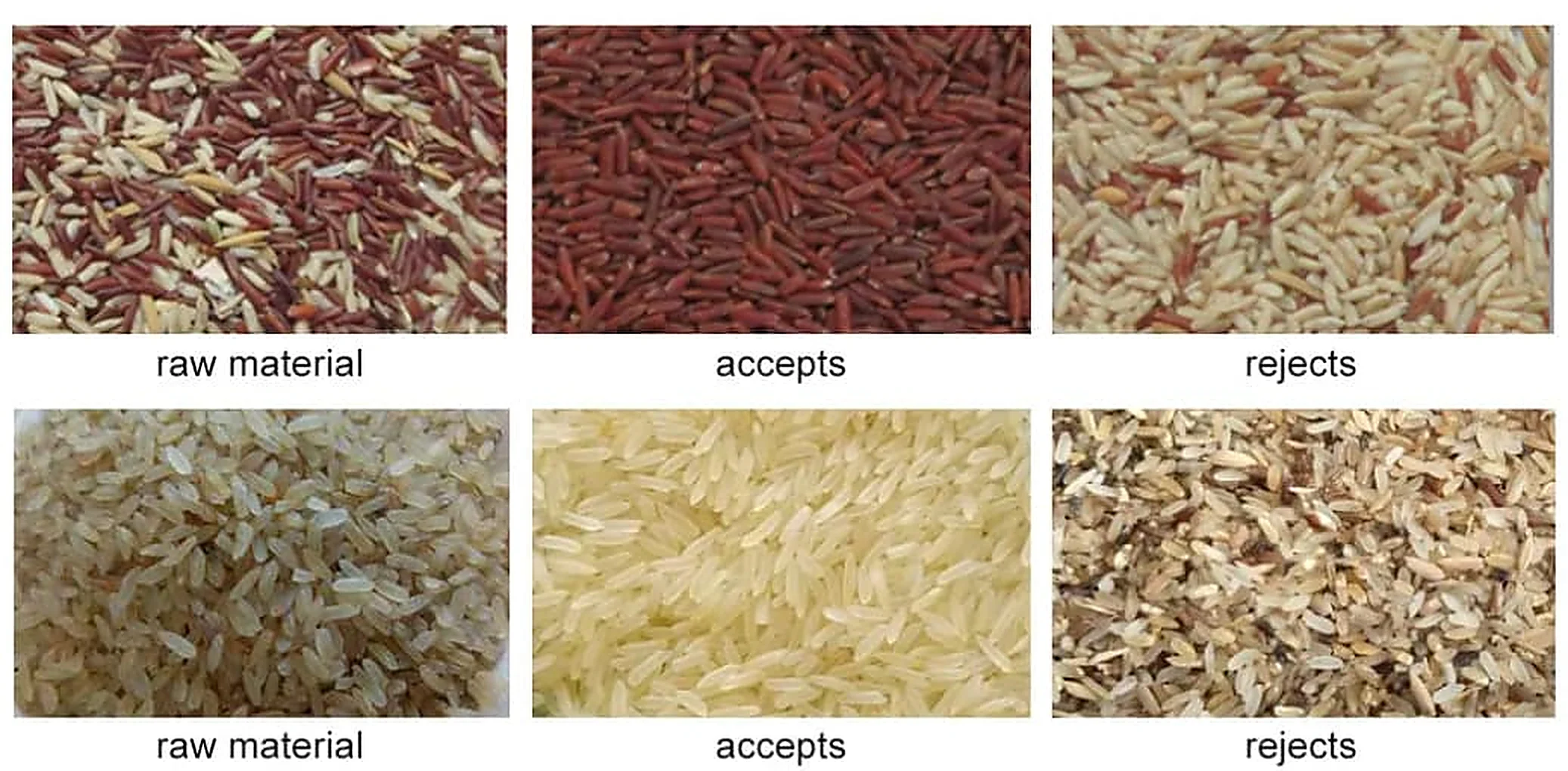
What it sorts
Recipes are stored per material, so a changeover between grades is a recipe selection plus a mechanical check rather than a rebuild.

CS-HA32 specifications
| Model | Channels | Type | Capacity (t/h) | Power (kW) | Weight (kg) | Accuracy | Carryover | Dimensions (mm) |
|---|---|---|---|---|---|---|---|---|
| CS-HA32 | 32 | Chute | 0.25 | 0.7 | 105 | >=99.99% | >120:1 | 450 x 1100 x 1500 |
Accuracy and carryover are platform statements; the measured figures on your lot are confirmed in the sample test. Capacity changes with material, grade, moisture and the reject rate required.
CS-HA32 next to similar models
The nearest models by tonnage, with the carryover ratio that decides yield on premium lots.
| Model | Channels | Capacity (t/h) | Power (kW) | Weight (kg) | Carryover |
|---|---|---|---|---|---|
| CS-QB16 | 16 | 0.03 | 0.2 | 66 | >10:1 |
| CS-HA32 | 32 | 0.25 | 0.7 | 105 | >120:1 |
| CS-1C64 | 64 | 0.5-1.0 | 1.2 | 350 | >10:1 |
| CS-1C96 | 96 | 1.0-1.5 | 1.8 | 500 | >10:1 |
Choose by the tonnage you must hold, then by how much good product you can afford to lose.
Configuration and site requirements
Included as standard
- Feed system with a 32-channel ejector block
- Colour camera inspection and LED lighting
- Touchscreen control with per-material recipes
- Remote service connection for commissioning and support
- English operation manual and commissioning guidance
Confirm before quoting
- Target throughput (t/h) and shifts per day
- Materials to be covered and changeover frequency
- Grade, defect mix and the carryover you must achieve
- Destination voltage and frequency (power supply is built to order)
- Clean, dry compressed air supply and the 450 x 1100 x 1500 mm footprint
Custom frame heights, RAL machine colour, OEM branding and destination-voltage builds are handled through our custom color sorter service.
CS-HA32: Lab and QC use
The 32-channel platform exists for measurement rather than for tonnage. Rice labs and mill QC rooms use it to reproduce the yield behaviour of a full mill sorter on a few kilograms of paddy, milled rice or parboiled rice, so a capital decision is based on a measured run instead of a brochure figure. Because it shares the camera and ejector technology of the production range, the recipe developed on this unit transfers to the mill machine.
At this size the machine is a decision tool, not a production asset. A few kilograms per run is enough to measure accuracy, reject rate and carryover on your own lot, and to produce reference samples for a buyer. Buyers who expect to run hundreds of kilograms per hour should look at the next tier instead; the mini platform will tell you which model that should be. The installed figures are 0.25 t/h, 0.7 kW and 105 kg in a 450 x 1100 x 1500 mm frame. 32 channels means 32 independently switched ejectors, so a defect only costs the air of the nozzle that fires.
Two site details decide whether the machine performs as specified: a steady, single-layer feed and a clean, dry air supply. A feed that arrives in surges forces the operator to slow the belt or chute, which gives away tonnage that the machine is capable of holding.
Throughput, reject load and cost per tonne
At the top of the 0.25 t/h range, an eight-hour shift is 2 tonnes of feed. Running at a realistic 85% utilisation for changeovers, cleaning and grade switches, plan on about 1.7 tonnes per shift. That is the number to compare with your intake, not the peak figure on the specification sheet.
Reject volume is set by your defect load, not by the machine. At a 2% reject rate the sorter removes roughly 5 kg per hour at full rate, and every kilogram of reject carries good product with it. The stated carryover means that for every 10 rejected particles about one good particle goes with them, or about 9.1% of the reject stream by count. On a high-value product that percentage is the number that decides payback, which is why we quote carryover beside capacity rather than in a footnote.
Energy is the smaller cost line. At 0.7 kW installed, the machine draws about 2.8 kWh per tonne at full rate, and roughly 1344 kWh over 300 eight-hour days at 80% load. Compressed air, belt and nozzle wear, and the labour needed to clean the inspection window usually cost more than the electricity, so the maintenance plan in the next section matters more than the motor rating.
Installation and commissioning
The machine arrives as one transport unit and is positioned on a level concrete floor with access to both sides for cleaning and service. Allow for a feed conveyor or hopper at the inlet and two outfeed bins at the outlet; the reject bin must be easy to empty because it fills fastest on a dirty lot. Lifting points are marked on the frame, and the frame weight is 105 kg, so plan lifting gear and a clear path before delivery rather than after it.
Services are a compressed-air drop at 0.6-0.8 MPa with dry, oil-free air, and a power supply built to the destination voltage and frequency. Commissioning covers mechanical alignment, belt tracking where a belt is fitted, air-pressure setting, a camera calibration on a reference card and a first recipe run on your own material. We ask for 5-10 kg of representative feed in advance so the first recipe is close before the engineer arrives.
A two- to four-hour run with your operator present is part of commissioning: the recipes are tuned to your grades, the operator is trained on the touchscreen and the reject-rate target is agreed before sign-off. Remote support stays connected after commissioning for recipe adjustments as your incoming lots change.
Wear parts, service and uptime
The wear list is short and known. Ejector nozzles, filters on the air line, the inspection window and the lighting module are the parts that need routine attention; on a belt machine the belt itself and its cleaning scraper are added to the list. Nozzles are replaced individually, not as a block, so a failed ejector is a low-cost item rather than a reason to stop the line.
Daily work is cleaning: wipe the inspection window, check the air pressure, empty the reject bin and look at the feed for surges. Weekly work adds a nozzle test from the touchscreen, a check of the camera image against the reference card and a belt-tracking check on belt models. Annual work is the full calibration and a leakage verification on X-ray machines for the HACCP file.
Keep a small spares kit on site: a set of nozzles, an air filter element, a window and an LED module. That kit covers almost every unplanned stop, and the remote support connection lets our engineers read the machine log before a technician is dispatched, so a minor fault does not turn into a week of downtime.
CS-HA32 questions
CS-HA32 or CS-QB16 — which one do I need?
CS-HA32 is rated at 0.25 t/h with 32 channels and a >120:1 carryover. CS-QB16 covers 0.03 t/h at 0.2 kW and 66 kg with a >10:1 carryover. Choose by the peak tonnage and the carryover your product price can justify.
How much capacity will I get on my material?
0.25 t/h is the nominal platform figure. Real output depends on material, grade, moisture, defect load and the carryover you demand. Send 2–5 kg and we return a measured figure plus a recommended configuration.
What voltage and air supply does it need?
The power supply is customizable to the destination voltage and frequency. The machine needs clean, dry compressed air; consumption depends on channel count and ejector duty, and is confirmed in the quotation.
Can I see it running on my material first?
Yes. Every model is tested on customer samples before an order is placed. You receive the sorted accepts and rejects plus measured accuracy and reject rate, so the model choice is based on your lot rather than on a brochure figure.